It’s a funny thing when the internet gets worked up, and somehow nothing gets under people’s skin more than an unprovoked appearance change-up.
Enter the Kate Middleton discourse, a topic that has subsequently sent the internet ablaze with confusion. Yet, there is an undercurrent of something – a hint of petulance that feels both unwarranted and perhaps speaks of something deeper.
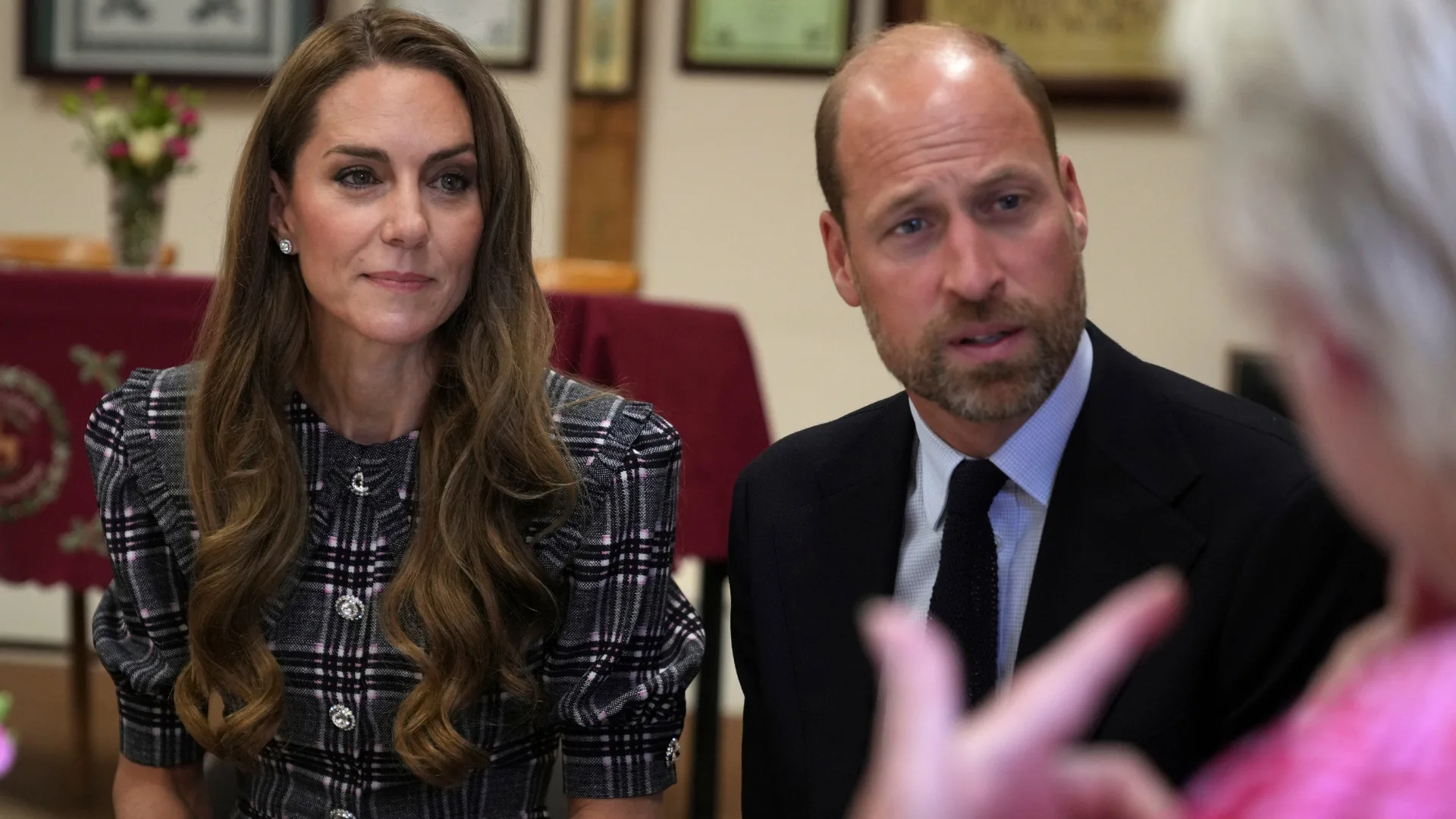
The discourse started on September 8, on the anniversary of the late Queen Elizabeth’s death. Kate was seen stepping out with husband Prince William to a local Women’s Institute, an organisation that was reportedly close to the late monarch’s heart.
Within the hour of the two being sighted, the internet had already weighed in with their many thoughts on her very public change.
Did Kate Middleton Change Her Hair?
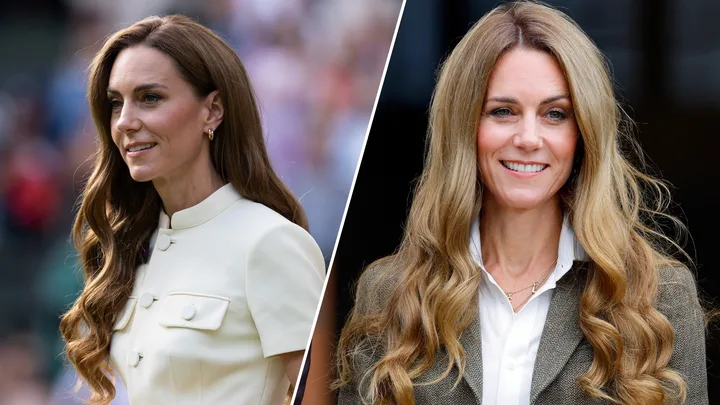
During an outing for the Natural History Museum in London on September 4, The Princess of Wales was seen with noticeably different strands. Her hair was seen looking significantly brighter than her signature chestnut locks, in a sun-lit blonde hue.
What began as soft summer-highlights or (“bronde”) earlier this year has since shifted into her lightest, longest hair to date, unveiled in late August during a visit to church near Balmoral, and fully confirmed amid her return to public.
What Is The Current Discourse on Kate Middleton’s Hair?
Notably Kate has been in recovery from a very public battle of cancer, which has sparked debate of if this was a mere personal vanity choice or perhaps a reaction to the expectations of maintaining a certain appeal in the public.
When Kate changes her hair, it mirrors back to us how her life choices reflect our own heightened expectations to conform to our own social roles.
It also gives us pause to investigate what may be going on beneath the surface, to dig into the more hidden and salacious details of her life.
Morbidly, this seems to be the case, with social media alight about the status of her hair, questions on her possible failing health, or if she may be wearing a wig have been touted ad hominem.
In an impassioned op-ed for Grazia UK, the late Princess Diana’s hair stylist, dear friend and MBE, Sam McKnight weighed in on discourse speaking on how we have lost our sense of decorum when it comes to analysing the appearance of those in the public eye.
There is a sense of entitlement, where we feel we are owed certain information, and the sanctity of one’s private health journey is compromised. McKnight went on to say in his essay,
“When someone is facing cancer, her hair is more delicate, more politically charged than ever. It’s an important part of the cancer journey, and people handle it very differently”.
Why Is The Public So Emotionally Invested in Kate Middleton’s Hair?
Our attachment to Kate’s hair reveals how entwined our emotions are with female public figures. We rarely dissect a prominent male figure in the same regard. Yet, when it comes to a female’s hair we feel the need to weigh in. So what’s really behind it?
Part of this is a projection that has been embedded in our own ideology on the codes of “appropriate” style for those in the public, particularly those of royals and other dignitaries.
This system is created on a confusing constellation of standards that stem from the curiously aspirational to the outdated and bizarre, and the need to scrutinise is baked in the middle.
In this case, we categorise her personal style choices into either camp of something to revile or hold in higher regard about the world of monarchy and celebrity itself.
And then of course, there is the issue of intimacy, we’ve watched her for over a decade, through marriages. pregnancies, and public scrutiny. Her hair is one of those few accessible markers of her inner world, so we latch on with relentless interest.

Related stories
Native ad body.
Native ad body.

Native ad body.