

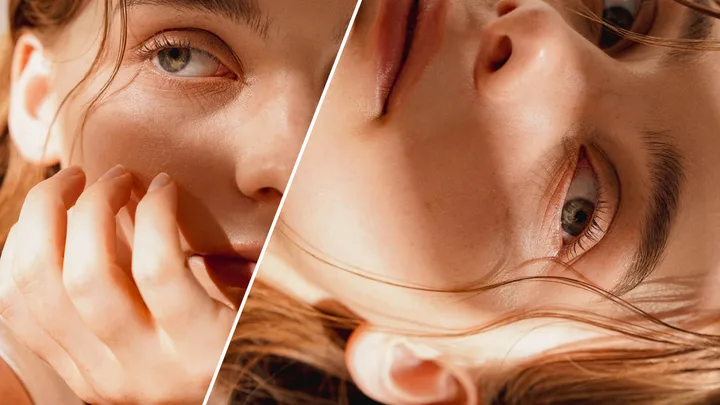
Picture this: you’re in the bathroom after a hectic day, your breathing is uneven and a headache is not far off. You pluck a serum from your line-up and, as you massage it over your face, your skin starts to flush from the kneading, not surprising, but wait … there’s also something happening inside – your mind quietens, your heart rate settles and your breathing steadies. That serum? It’s not a magic potion, it’s neurocosmetics.
Beauty and wellness brands are embracing neurocosmetics, a category of products, therapies and treatments that, the theory goes, interacts with and impacts our nervous system, and influences our emotions and behaviour.
The idea that a beauty product might deliver a benefit that goes beyond the surface is not entirely new, as brands, influencers and editors (ahem) have long espoused the mood-enhancing benefits of “self-care”.
The entire fragrance industry is also built on the emotion-altering premise that our sense of smell can trigger memories or feelings – how a whiff of white florals takes you back to that balcony in Positano – and that’s also why many sleep-inducing products are scented with lavender.


Today’s neurocosmetic-inflected fragrances, however, go one step further: they don’t want to stir up old memories but help create new ones. “Scent could be associated with changes of the autonomic nervous system, which controls functions like heart rate, blood pressure and sudation [sweat secretion],” says Dr Christelle Porcherot, a principal scientist at fragrance and taste company DSM-Firmenich. For example, peppermint is “associated with the stimulation of the nervous system, leading to increased alertness and reduced fatigue”, she says.
“We know the skin and brain are linked; the nervous system connects with the entire body”
Neuroscientist Dr Sarah McKay
France’s Initio Parfums meanwhile, works with DSM-Firmenich scientists and perfumers to create fragrances that Initio says heighten consumers’ positive emotional experiences. How? It’s developed a protocol that combines neuroscience, linguistics, psychology and AI to measure both conscious and unconscious emotional responses to its fragrances.
Other emotion benders included Narciso Rodriguez EDP Radiante, which features a cotton flower note that perfumer Aurélien Guichard believes elicits a feeling of relaxation, and the floral-fruity Elie Saab Elixir Love, which includes an exclusive “love accord” that the brand says prompts the pleasure sensors and stirs up feelings of attachment and seduction.
Skincare Meets Sound
Spas have always sought to mellow the mind: music, candles, the waiting room sofa texture – all conspire to de-stress before we’ve even slipped on a robe. “Our senses are our way back into our bodies,” explains Freya Berwick, founder and director of Melbourne’s Sense of Self bathhouse and day spa (a Sydney location is due to open this year).
From a curated playlist of music to “our signature scent, the bathhouse and massage studio design, the materiality used, the way our staff communicate” – all help “to guide our guests to a place of calm”, says Berwick.
Tanya Alijani, a sound-healing practitioner, meditation and breathwork guide, seeks to soothe the senses via sound and vibration. “Since everything in existence carries a frequency – including us – certain sounds have the power to shift our state of being on a deep, cellular level,” she says.
Sound waves aren’t confined to our ears; they move through the body so that we “feel” the sound. By exposing the nervous system to specific frequencies and vibrations, Alijani explains, sound healing “can guide the nervous system from stress and overactivity into a state of harmony, where the body’s natural healing mechanisms are activated”.
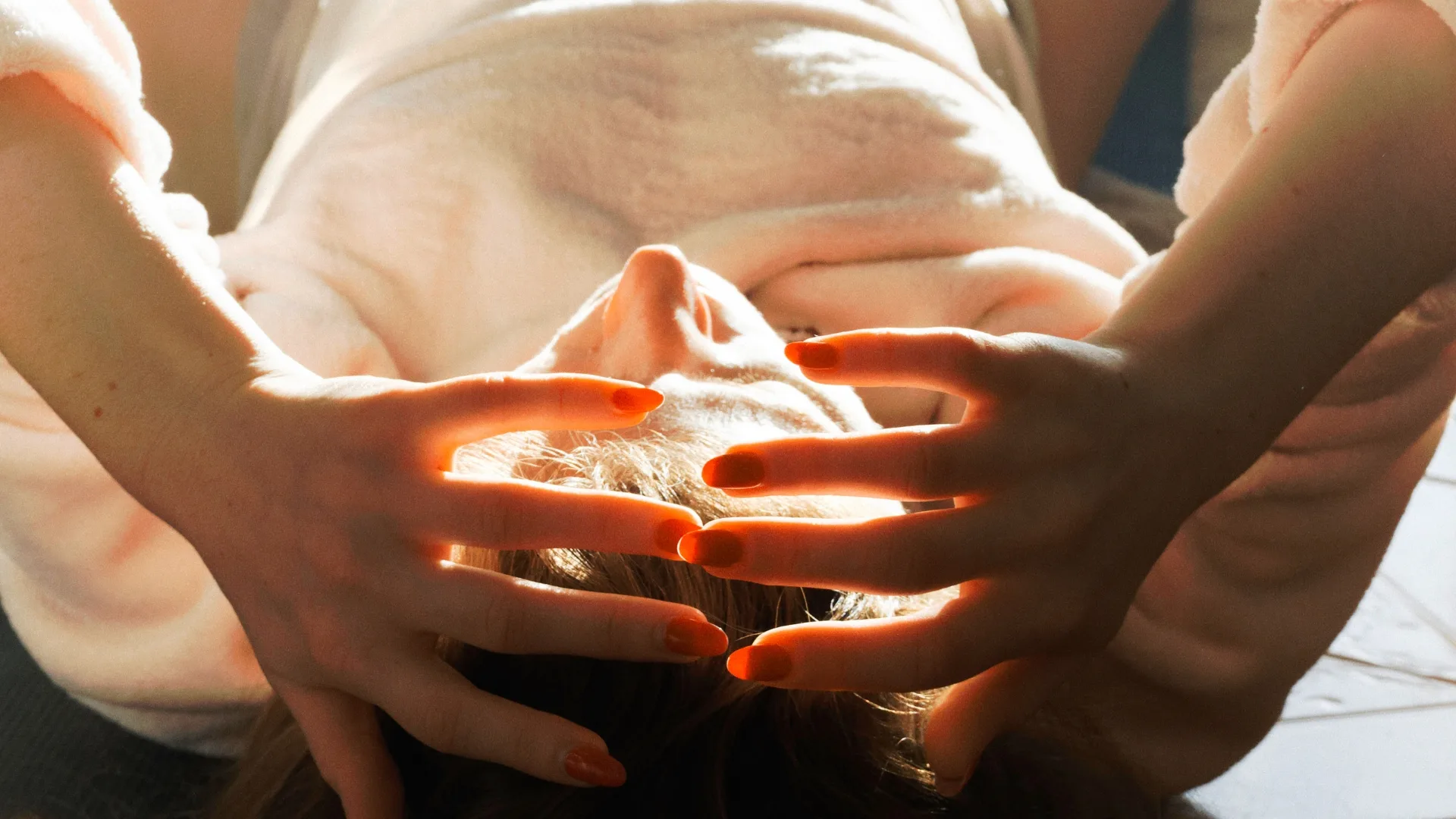
Let’s get back to skincare, and the intriguing question: can a neurocosmetic serum influence the communication between the skin and nervous system, and modulate chemical levels to alter your mood?
“We know the skin and brain are linked; the nervous system connects with the entire body, and the skin is no exception,” says Dr Sarah McKay, a neuroscientist and science communicator. When you hug a loved one or get a massage, that touching of skin impacts nerve fibres and can trigger the release of the oxytocin hormone, which can soothe psychological or emotional stress.
“With about one million sensory nerve fibres, the skin is the organ with the highest density of sensory fibers in our body and is thus able to communicate continuously with our brain, and vice versa, through neuromediators,” says Pauline Poussin, scientific communication manager at Neuraé, a neurocosmetic skincare brand from Sisley Paris that launched overseas in 2024 (no word when it will be available here).
Is Skincare Communicating With Your Nervous System?
Neuromediators operate like SMS, transmitting messages between the skin and brain. Think back to our massage scenario: all that skin kneading generates the “release of oxytocin and beta-endorphins that induce a feeling of relaxation and emotional wellbeing”, says Poussin. We also know that psychological stress affects the skin, releasing excessive amounts of cortisol, which can impact both the immune system and skin barrier, and lead to conditions including redness, sensitivity and blemishes.
There is a whole category of products formulated for stressed skin, and these “generally work on moderating the skin’s local sensory captors, in a similar way that a sensitive toothpaste helps to moderate the teeth’s response to heat, cold and pressure”, explains Charlotte Turner, head of education at Clarins ANZ.
A number of ingredients can be beneficial in these situations, including adaptogens, which can help the body adapt to stress (Kiehl’s Vital Skin-Strengthening Serum is one of these), and clary sage, which “works directly on soothing the skin’s sensory captors to lessen the redness and inflammatory response”, says Turner, whose brand produces Clarins Calm-Essentiel Soothing Emulsion.
The Verdict On Neurocosmetics: Hype, Hope Or Healing?
While there is some early analysis around neurocosmetics, a definitive, scientific link is yet to materialise. Can a topically applied ingredient effectively interact with neuroreceptors to interrupt or activate the skin’s receptors and nervous system pathways? I ask McKay: are neurocosmetics working only on the skin response, and not the central nervous system response?
So, in the case of stressed skin products, are they lowering skin stress levels without actually tapping into the brain’s emotional or stress levels? “I’d say your hunch is right,” she says. “While the ritual of skincare can be soothing, the idea that a cream can ‘neuromodulate’ emotions starting at the cellular level in the skin is pretty far-fetched.
“Certain ingredients might interact with skin receptors and influence redness or sensory perception, but the evidence for direct impact on mood or brain function is very limited,” explains McKay, surmising that “most effects are likely come from texture, smell or the self-care ‘ritual’ versus the actual ingredients in the product”.
The takeaway: scent seems to be the most effective route to a change in mood that we have at hand right now. But that’s not to say that our skincare routine isn’t doing our mind some good too.
So you can chalk your six step Sunday night self-care routine. Stress releases excessive amounts of cortisol, which can lead to inflammation, sensitivity and blemishes. as more than just skin deep.
Related articles:
- Are Wellness Spas The New Night Clubs?
- Is Food Fashion’s New Status Symbol?
- The Crucial Steps To Keep (Or Drop) From Your Beauty Routine

