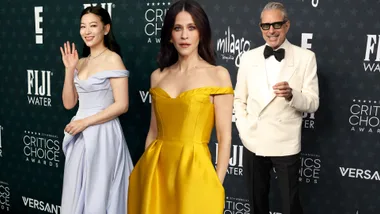
It’s 6am on a Friday, and I’m having breakfast with Kit Harrington, Marisa Abela, Max Minghella and Myhal’la. Well, technically, I’m having breakfast, and they’re preparing to go to bed as they dial into our Zoom call from London.
“Morning,” greets Marisa in a crisp white button-down and polka dot tie. On a taupe velvet armchair, Myhal’la strokes her large grey cat, Natalia. “She’s a big, lazy baby,” she quips. Beside her, Kit and Max exchange the usual pleasantries.
The group, who make up the cast of the hit series Industry, are eager to discuss the long-awaited return of the show’s fourth season.
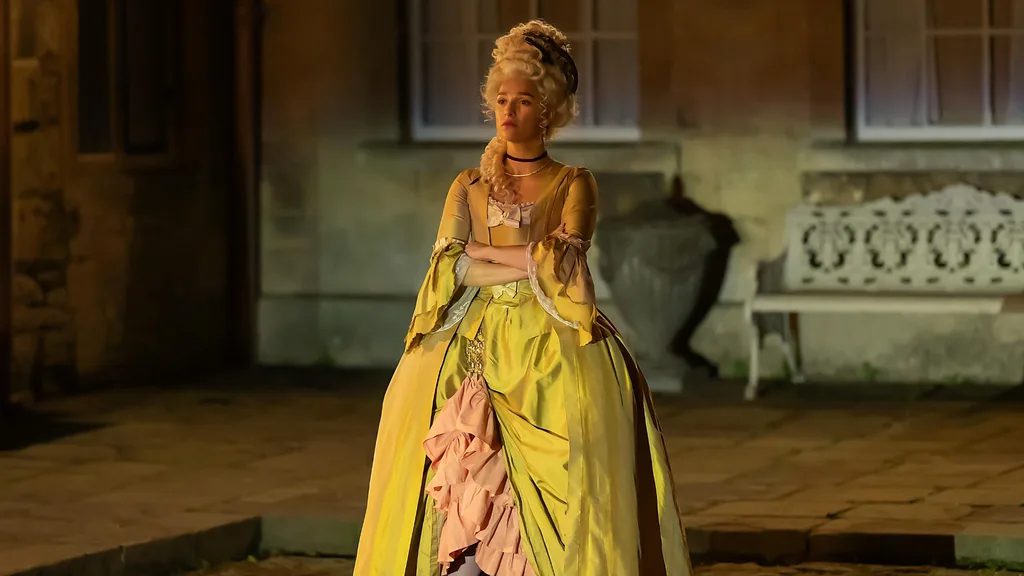
The high-stakes series, which returns to HBO on January 11, follows a group of ambitious young bankers navigating the cutthroat world of London’s elite investment scene. It’s a razor-sharp portrait of ambition, power, and the personal cost of success, set in the pressure-cooker of a London trading floor.
The series starts with a group of graduates as they navigate the chaotic, cortisol-raising energy of the global investment bank, Pierpoint.
Here we meet Yasmin Kara-Hanani (Marisa Abela), the polished yet quietly ruthless daughter of a media magnate and Harper Stern (Myhal’la), a fiercely ambitious American outsider with no family money or safety net, who weaponised her intelligence and deception to survive Pierpoint at any cost.
As the series unfolds, its lens gradually widens beyond Pierpoint’s fluorescent-lit walls, peeling back the characters’ professional personas to reveal the messier realities of their lives outside the bank. Here we see how family, class, trauma and desire shape who they are.

By the end of season three, Pierpoint has been sold off, leaving the characters unmoored, and we watch Yasmin marry Sir Henry Muck (Kit Harington), a troubled yet wealthy aristocratic financier and political power broker. By choosing status and security over freedom, the union leaves her emotionally isolated and further entangled in elite power structures.
Meanwhile, Harper ends season three by joining forces with a billionaire power broker and his shadowy hedge fund world, abandoning sentiment entirely as she steps into a colder, more ruthless tier of financial power.
“Every season, there’s an evolution. We gradually take the audience to this place once they understand who these women are and why they make the choices that they make,” says Marisa.
The brilliance of Industry lies in how it pulls back the veil, exposing finance not just as an engine of wealth, but as a powerful political force shaping the world beyond the trading floor.
It reveals how extreme wealth doesn’t just move markets, but shapes elections, steers public narratives, and quietly dictates who holds power.
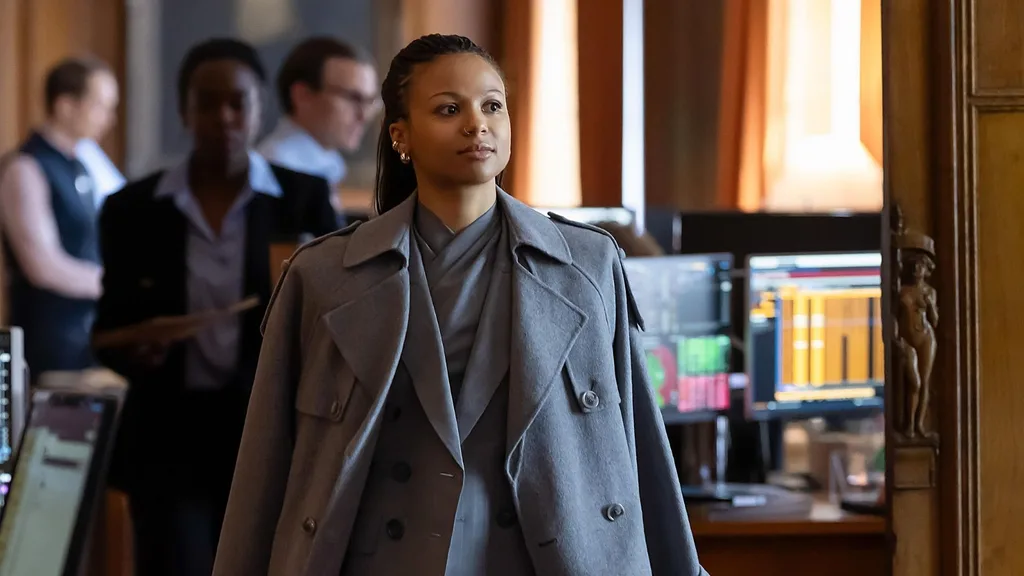
“[Before doing Industry] I didn’t know how much people in finance control politics, how much money influences politics, how much money influences the media and how much the media influences politics,” says Myhal’la. “Girl, those one percenters are all scissoring each other. As a regular person, it’s pretty intense.”
For Harper and Yasmin, the pressure of working side by side initially forges their bond, with Marisa and Myha’la drawing on their own working friendship to shape the tension, rhythm and shorthand of the on-screen relationship.
“The fact that we work in the same industry means we have so much of a shared language and an understanding of each other’s lives,” says Marisa.
“Myhal’la is a brilliant actress, and I feel incredibly lucky to work with her. I see a lot of myself and her ambition, and I see a lot of myself in the way that she moves through her career. I’m incredibly proud of her as an actress, but we are great friends. How we met and why we know each other has everything to do with our relationship.”
A new addition to the season is Max Minghella, who you might recognise from his role as Nick Blaine in The Handmaid’s Tale. Max joins the cast as Whitney Halberstram, the CFO and founder of payment processing company Tender.
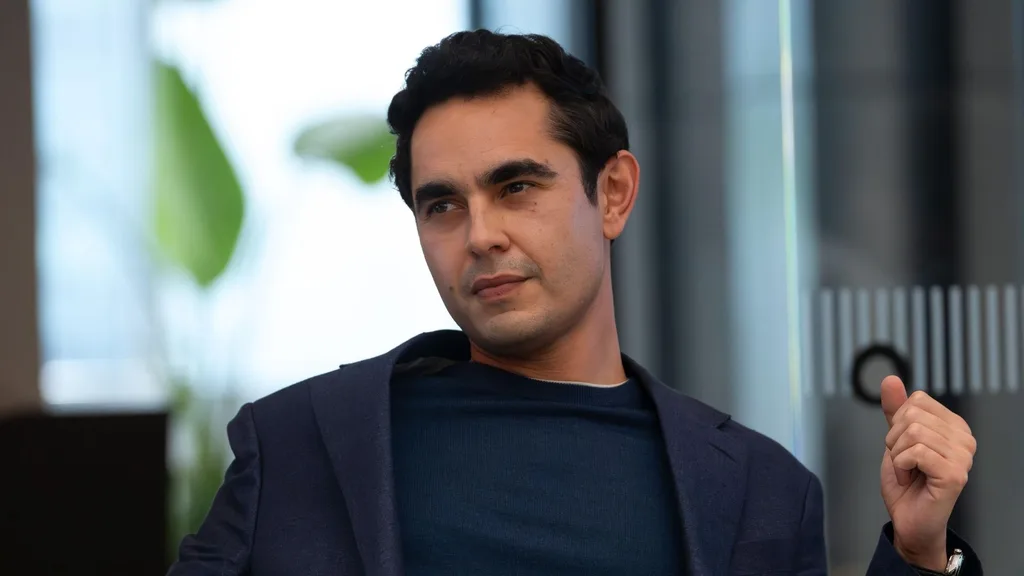
Max admits he initially had some trepidation about joining the established cast, mainly due to the dense financial jargon in the series.
“Luckily, I had a lot of emotional support from Mr Kit Harrington. He was unbelievable on this journey of Industry, both off-screen and on,” says Max.
“He held my hand through something that I felt quite intimidated by. Over the course of a season, I went from finding it overwhelming to completely rewarding and addictive. I became addicted to how hard it was.”
In fact, the pair share many scenes this season, with Whitney’s story centring on his complex, multi-layered relationship with Henry.
“It’s a really complicated relationship. It starts with Henry and Whitney needing something from the other; on a shallow level, there are business opportunities for each of them,” says Max.
“But he also admires Henry’s sense of self. It comes from privilege; these are things he lacks and admires. On the flip side, there is a confidence to Whitney that I think is appealing to Henry.”
“[It’s funny] I grew up being very envious of privately educated or public school boys in the UK. Now I’ve developed empathy and understanding,” adds Kit.
Season four of Industry is streaming on HBO on January 11.

Related stories

Native ad body.
Native ad body.




Native ad body.