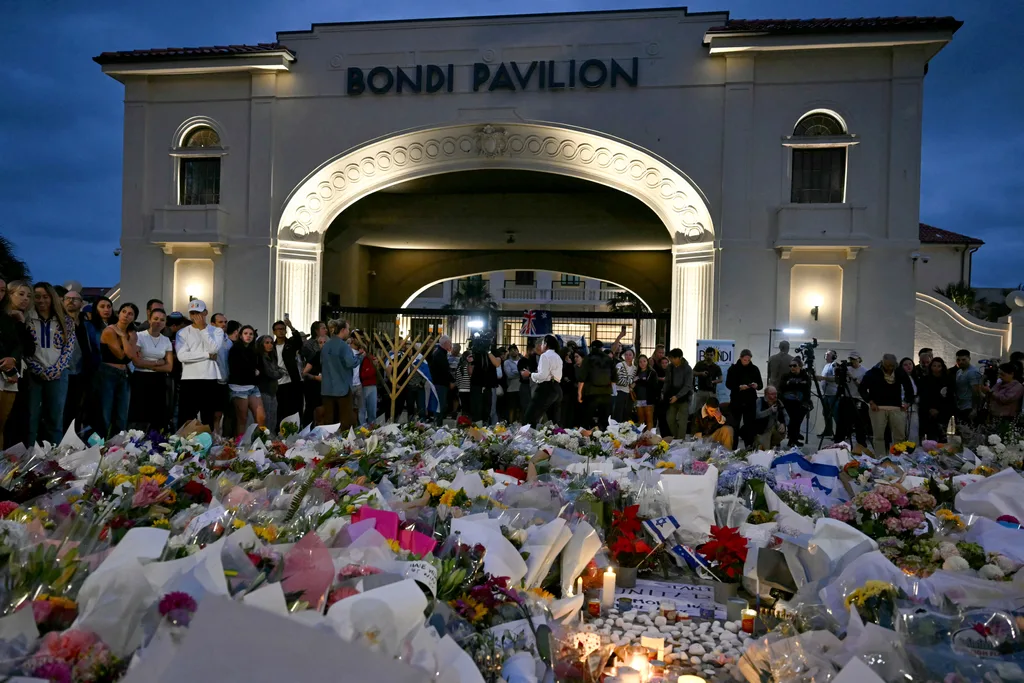
In the days following the Bondi terror attack, many adults have found themselves grappling with a question that feels almost as heavy as the grief itself: how do we explain something so senseless to children?
For parents, caregivers and teachers, the instinct is often to protect. But in a world where news travels fast and playground conversations travel faster, silence can leave space for confusion, anxiety and misinformation.
Talking to children about violence and terror is never comfortable, yet how we do it matters. The words we choose, the truths we share, and the reassurance we offer can help young people feel safe again — without denying the reality of what has happened.
“The goal isn’t to give children a news briefing; it’s to help them feel safe, heard and informed in a way that is age appropriate,” psychologist and founder of Let’s Reconnect podcast, Breanna Jayne Sada tells marie claire. “Emerging Minds, which develops national guidance on this topic, is very clear that avoiding the topic completely can leave children more anxious, because they will still pick up information from friends, TV or social media.”
Breanna suggests following the follow five-step framework when discussing the distressing event with children and adolescents.
- Ask what they already know
“‘You might have heard grown-ups talking about something sad that happened at Bondi. What have you heard?’ This lets you correct rumours and tailor how much detail they actually need.”
- Give calm, honest, age-appropriate information
“For younger kids: simple, concrete language: ‘A person hurt people at the beach and lots of helpers came very quickly. It’s very sad and scary, and it’s okay to feel upset. The police and leaders are working hard to keep everyone safe.'”
“For teens, you can include more context and invite their views: ‘You might be seeing a lot about the attack online. How is it making you feel? What questions do you have?'”
- Reassure safety and highlight helpers
“Children feel safer when they know what adults are doing: extra police presence, emergency plans, community support. Pointing out helpers emergency services, bystanders who acted bravely, counsellors etc can balance some of the fear.”
- Limit and co-view media
“Repeated footage, graphic images and unfiltered commentary can be particularly harmful for kids and teens. Watch or read news together when you can, help them make sense of what they see, and establish boundaries around scrolling at night or following distressing content. Be mindful or what you are watching and listening to when they are close by, you might not think they are listening or understand but they will understand enough to make them upset or the tone and feelings of others so limit your intake when they are around as well.” - Keep routines and invite ongoing questions
“Routines like school, sport, family meals and bedtime rituals help restore a sense of normalcy. Let children know they can come back to you with questions anytime this keeps you as their main source of information, rather than peers or the algorithm.”
For more, visit:
- Breanna Jayne Sada
- Mental Health First Aid Guidelines – Traumatic Events
- Headspace
- Emerging Minds
- Lifeline
- Kids Helpline
- Beyond Blue

Related stories

Native ad body.

Native ad body.


Longevity & Beauty Powered By Science – How Swisse Nutra Fuels Cellular Health


Native ad body.