 Supplied
As of September 2025, dementia is the leading cause of death for men and women in Australia and yet, hundreds of thousands of people and their families have been living with its impact for decades – often in silence and shadowed by the stereotype that it’s simply “an old person’s disease”.
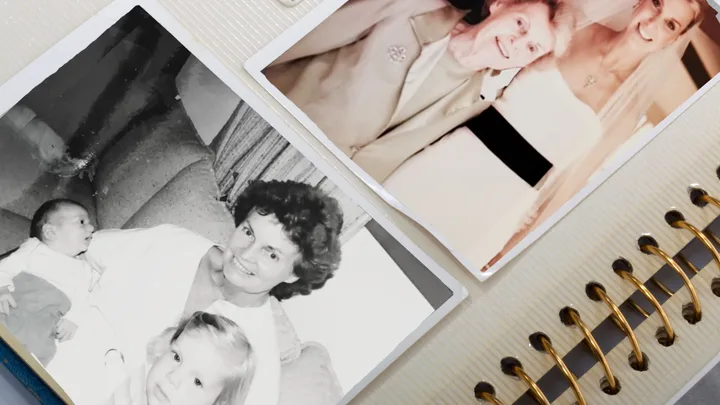
For marie claire editor, Georgie McCourt, World Alzheimer’s Month has been a moment to reflect on her family’s experience. Her beloved Nan, Moira, was diagnosed late in life with Alzheimer’s disease before passing away at 93.
While Moira’s diagnosis came at what is considered ‘old’ age’, dementia had begun shaping her final years long before. Forgetfulness turned into confusion, and what might have seemed like small changes became deeply felt — not just for Moira, but for the whole family.
This month serves as a reminder of the desperate need for more education, understanding and change. Because as the statistics continue to rise, the reality is that almost everyone will be touched by this disease in their lifetime.
Here, Georgie shares her memories of Moira — and the ripple effect dementia had on her family.
How Alzheimer’s Affected Georgie’s Family
Q: Tell us about Moira and when you lost her?
A: “Almost 10 years ago, my Nan, Moira passed away from dementia. She was 93 and we were very close. I’m grateful for all the years we had together, but it never feels like enough time. For months when I would drive past her nursing home, I’d cry. I kept my nan’s antique hairbrushes which still had strands of her hair tangled up in the bristles. I kept her blazer and white cable knit jumper because they smelt like her. I found old notes she’d written in her Bible and studied her handwriting. I’d look at older ladies pushing walking frames and feel so triggered. You always want more time. Equally, there’s nothing more painful than watching someone you love forget who you are. Seeing the fear in their eyes when they realise they should know you, but don’t. Their own mind frightens them, and they’re constantly confused. It’s all very, very sad. I miss her deeply, but I’m glad she is finally in a peaceful place.”
Q: What was Moira like?
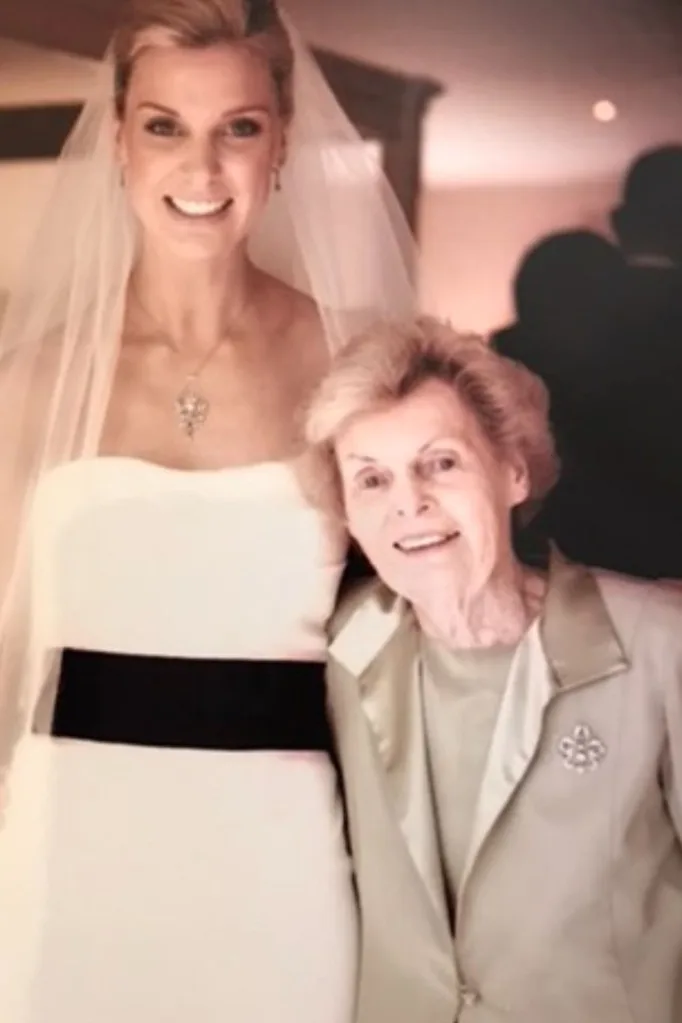
A: “We had a very special relationship. In so many ways, she was like a second mother to me. She was gentle, kind, loving, smart and patient. We could chat about literally anything – nothing was off the table.
She loved flowers, and mum would buy her fresh flowers every single week – daffodils, hydrangeas, gardenias – she adored them. Grandparents can have the most significant impact on your life and I’m grateful that she was such a big part of mine.”
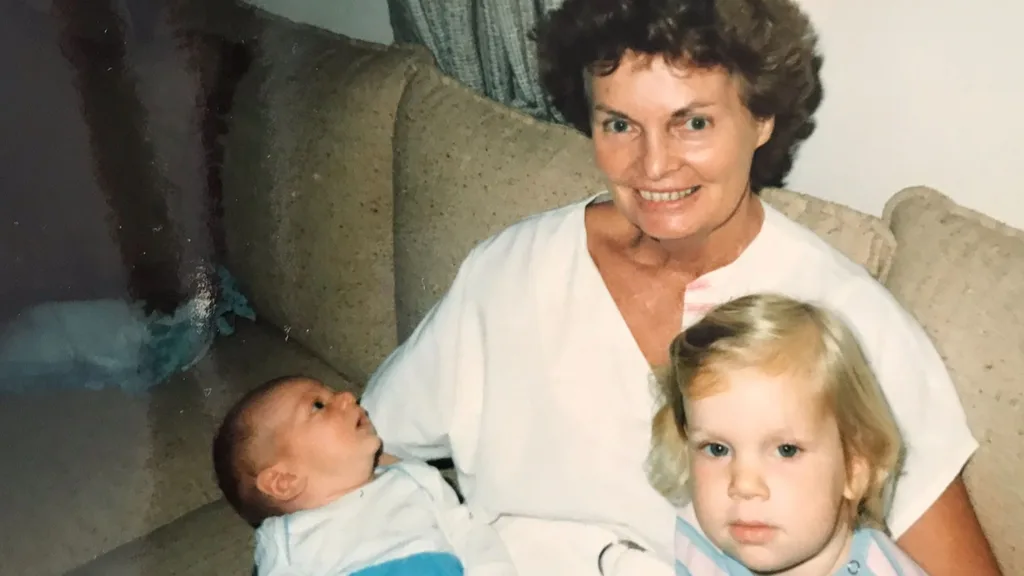
Q: When did you first notice a shift in your Nan’s health?
A: “After my grandfather passed, Nan’s health declined slowly—it was easy to pretend it wasn’t happening. We hoped it would go away, even though deep down we knew something was off. It’s heartbreaking watching someone you love get old and their memory slowly go. Yet I can’t imagine how frightening it would have been for her.
Nan moved into a retirement home unassisted initially, before being moved into a higher level of care, which is where she lived when she passed. I used to bring my girls to see her – they were toddlers at the time – and her face would light up every time. In the end, I’d walk in, remind her who I was, and introduce her to her great-grandchildren. It broke my heart, but I feel so grateful she got to meet them.”
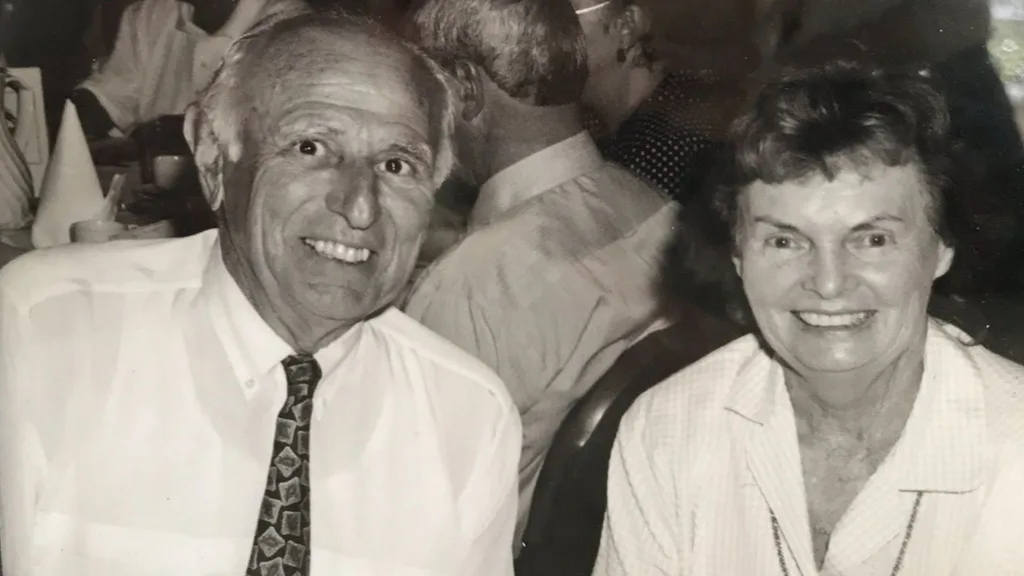
Q: How did it impact you and your family?
A: “Of course, there’s the deep sadness of watching someone you love change. I just wanted her back. I longed for the good old days, for one more afternoon in the garden together, for one more night at her favourite restaurant.
There’s grief for what you’ve lost, and then there’s the weight of caring. My Nan lived with my mother and stepdad for many years, and it was such a gift to have her so close. I would do the same for my own mother without hesitation. Women are natural nurturers, and right now, countless women are carrying that same responsibility for loved ones.
And yet, caring is still undervalued in our society. It has always been an invisible part of the economy, shouldered mostly by women -without recognition, without a salary, without superannuation. It has to change.”
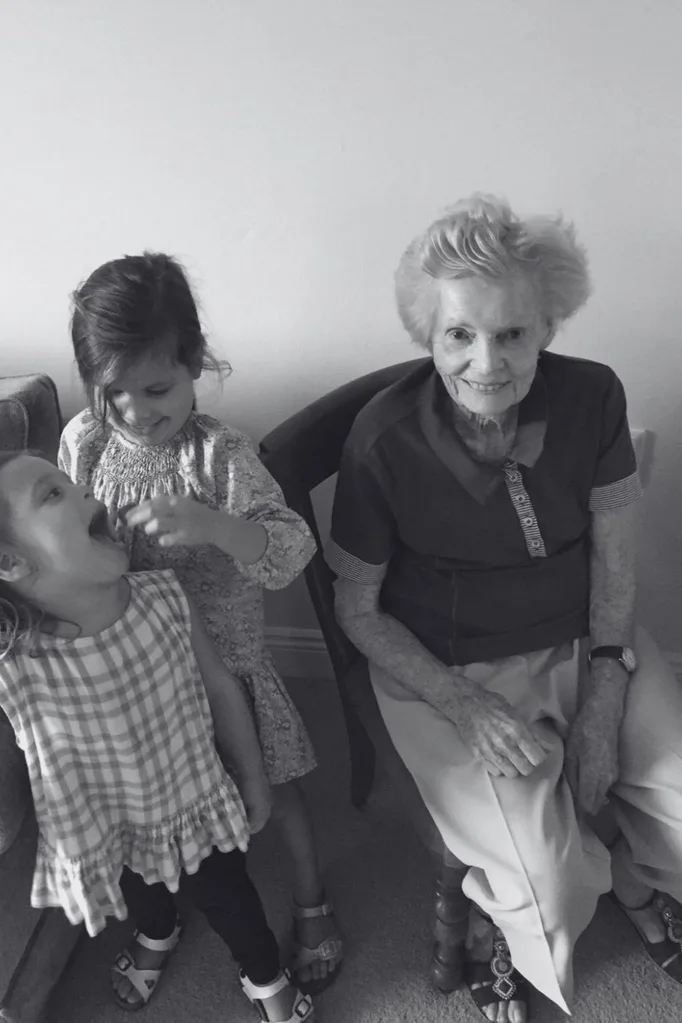
Q: What message would you like to share with the marie claire community about Alzheimer’s Disease?
A: “Almost everyone will be impacted by this disease in some way in their lifetime. So if you think you’re immune, you’re not. It’s now the number one cause of death in Australia for men and women, with an estimated 425,000 Australians living with dementia. Just let that sink in for a moment. What’s even more complicated is that women’s increased risk of Alzheimer’s Disease is still not fully understood. We need to focus on brain health and prevention. We can’t ignore it.”
If this story has prompted any questions or concerns, please call the National Dementia Helpline on 1800 100 500 (24 hours, 7 days a week) or visit dementia.org.au.
Dementia Australia does not endorse any product from Lilly Australia.

Lilly is a medicine company making life better for people around the world. We’ve turned science into pioneering new discoveries for nearly 150 years, and today, our medicines support more than 51 million people across the globe. Harnessing the power of biotechnology, chemistry and genetic medicine, our scientists are urgently advancing new discoveries to solve some of the world’s most significant health challenges.

Related stories

Native ad body.
Native ad body.




Native ad body.