 Getty
Getty
Alzheimer’s disease isn’t just a type of dementia; it’s a word that can stop conversations in their tracks. Nearly two-thirds of Australians with dementia are women, yet for many women and families, the diagnosis is cloaked in fear, secrecy and stereotypes. Behind the headlines, though, are real people still living, laughing, working and loving every day.
When two sisters recently documented their grandmother’s dementia journey in the film Nansie, capturing moments of humour, courage and connection, they showed that memory loss doesn’t erase identity. Stories like theirs remind us there is life after a diagnosis, even if it looks different.
The future of Alzheimer’s disease doesn’t have to be written in whispers. With earlier detection and diagnosis, evolving treatments and a cultural shift towards compassion, we can rewrite the story. And it starts with dismantling the myths that keep us stuck in fear. Here are five of the most damaging misconceptions — and the truths that can set us free.
Myth: Alzheimer’s Disease Is An ‘Old’ Person’s Disease
For decades, Alzheimer’s disease has been framed as something that happens late in life. However, brain changes linked to the disease can begin decades earlier. In fact, nearly 29,000 people aged 30–64 are living with dementia.
The truth: Alzheimer’s disease is the most common cause of dementia, characterised by specific pathological changes in the brain. It’s a chronic condition that unfolds over time and starts well before symptoms appear — which means earlier action, from lifestyle adjustments to diagnosis, can make a powerful difference.
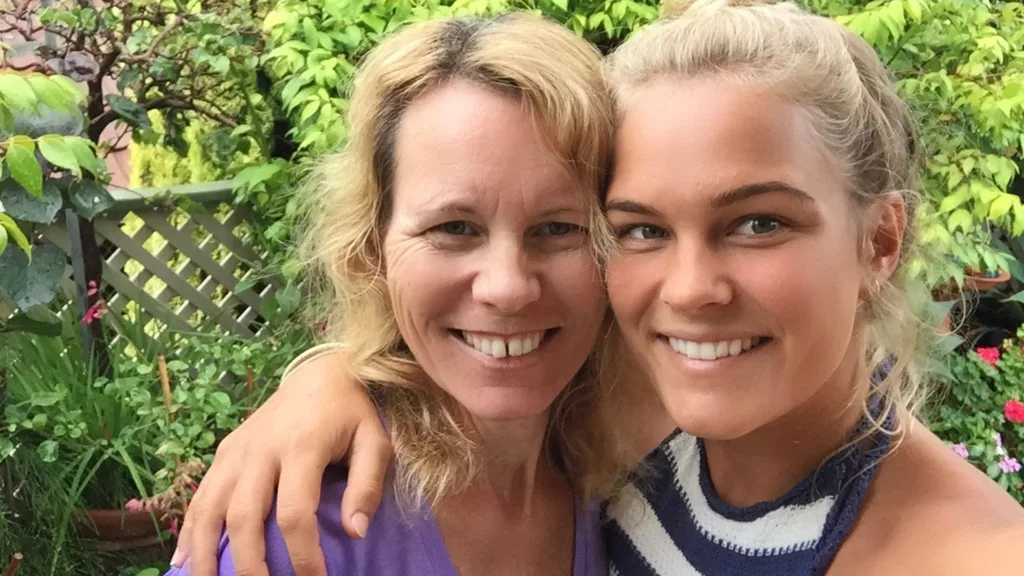
Felicity Palmateer — professional surfer, TV host and Dementia Australia ambassador — recently opened up to marie claire about her mother’s dementia diagnosis.
“When I was 22 years old, my Mum was diagnosed with early onset dementia at only 46 years old. In just the space of 6 years, she deteriorated so fast that she passed away at 52. It was an incredibly challenging and isolating time for myself and my brothers. I kept it private that Mum had dementia mainly because of the stigma associated with it.”
Felicity Palmateer for marie claire
Myth: You Can’t Keep Living The Life You Love
Evohealth’s Diagnosis to Dignity report found that 62 per cent of Australians believe ‘life is over’ after a dementia diagnosis.
The truth: Many people continue to live independently, maintain a social life, relationships and even remain in work or community roles following a diagnosis. Stigma, not symptoms, is often the biggest barrier. Evohealth’s modelling reveals that delaying the transition of people with mild Alzheimer’s dementia into residential aged care can improve their quality of life by 25 per cent.
“We can provide cognitive interventions to support memory changes in other cognitive functions that occur with Alzheimer’s disease. These can be both personalised and holistic, extending to sleep, mood and behaviour to optimise a person’s function, support their independence and reduce the need for carer support.“
Professor Sharon Naismith, Neuropsychologist
Myth: There’s Nothing You Can Do
A common misconception is that an Alzheimer’s disease diagnosis closes every door. In reality, emerging treatments, personalised care and practical support can help slow progression — offering hope and possibilities that weren’t available just a decade ago.
The truth: There is no cure for Alzheimer’s disease yet, but hope is on the horizon. “Our willingness to discuss and diagnose Alzheimer’s disease is akin to where we were with cancer a few decades ago. Science is advancing at a rapid rate and will lead to entirely new ways to screen, detect and treat Alzheimer’s disease.”—Professor Michael Woodward AM Director Dementia Research Austin Health.

Myth: People With Alzheimer’s Disease Can’t Contribute To Society
Cognitive decline doesn’t erase skills, identity or purpose. Yet too many Australians feel pushed out of work or communities before they’re ready. In fact, an estimated 50,000 people over the age of 60 living with Alzheimer’s disease could still be employed if they had the right support.
The truth: With inclusive workplaces and community programs, people with Alzheimer’s Disease can continue to lead, mentor and inspire.
“By embracing inclusive and supportive strategies, we can empower people to retain their sense of purpose and identity, while enriching our communities with their unique contributions.”—Diagnosis to Dignity, 2024
Myth: Caring For Someone With Alzheimer’s Disease Is Easy
The unsung heroes of this disease—often a partner, child or friend—are expected to just “cope”. With 55 per cent of informal carers being older spouses, the emotional and physical toll is significant. One in three primary carers feel worried or depressed and 60 per cent say their caring responsibilities negatively impacted their social life. The lack of community support only worsens the burden.
The truth: Carers need as much support as the people they love. Evidence suggests public education can reduce misinformation and foster empathy, encouraging greater community involvement in supporting carers.

Break The Silence
Alzheimer’s disease doesn’t have to come with fear, shame, or isolation. The conversation we have now — as families, as workplaces, as a society — can replace fear with empowerment. With earlier conversations and stigma stripped away, people can be seen not just for their diagnosis, but for their dignity, their stories, and their humanity.
If this story has prompted any questions or concerns, please call the National Dementia Helpline on 1800 100 500 (24 hours, 7 days a week) or visit dementia.org.au.
Dementia Australia does not endorse any product from Lilly Australia.

Lilly is a medicine company making life better for people around the world. We’ve turned science into pioneering new discoveries for nearly 150 years, and today, our medicines support more than 51 million people across the globe. Harnessing the power of biotechnology, chemistry and genetic medicine, our scientists are urgently advancing new discoveries to solve some of the world’s most significant health challenges.

Related stories

Native ad body.

Native ad body.




Native ad body.