Traditionally, the change in seasons is marked by the scent of coconut sunscreen, supermarket shelves overcrowded with Christmas decorations and – in years gone by – a new So Fresh album.
But in 2025, summer announces itself not by rolling thunderstorms cooled by southerlies nor accidental sunburn while we’re getting used to the heat. No, now summer announces its arrival as a brand: think Hot Girl Summer, Brat Summer, even the sketchily named White Boy Summer.

Memes follow, then hot takes, internet discourse and, eventually, mass marketing will jump on the trend and effectively ruin it. Then it’s the end of summer.
This obsession with branding a season has become a phenomenon so pervasive that even The New York Times dedicated a serious word count to wondering what’s going on. Its theory? “The more fragmented our culture gets, the more we seem to crave some phenomenon, however silly, to share,” Daisy Alioto wrote.
Collectively deciding that, yes, this is what we’ll call this summer, is a return to the monoculture: a time when we were consuming the same content at the same time while fostering a sense of community.
Social media has splintered the monoculture into infinite subcultures, making us more disconnected than ever. But a group-branding exercise brings the entire internet together again.
“Which [label] we choose won’t matter nearly so much as the impulse to adopt it [en masse] in the first place,” Alioto concludes. She makes the point that sometimes these labels happen organically, and other times they’re “a brute-force marketing exercise”.
Sometimes it’s both. But does it matter? Think of Charli xcx’s Brat album, with its clear aesthetic and hedonistic attitude.
It was an easy label to adopt for the summer of 2024 – for brands, fans and the internet alike. To determine what kind of summer is in store for us, I turned to Casey Lewis, the American youth culture reporter and writer of the After School Substack, who published her “After School Summer 2025 Trend Recap” in early September.
Given that Australia often takes its cues from American pop culture, her findings for the US can be considered prophetic for Australia.
Lewis spent months parsing more than 500 articles a day, logging every mention of the phrase “of the summer” and “[Blank] Girl Summer”, and found one overwhelming sentiment: teens were calling the summer of 2025 “The Worst Summer of All Time” or “The Summer of the Crash Out”, “citing a brutal job market, political chaos and an overall bleak economic outlook”, she wrote. It’s understandable.
The ongoing global instability and climate catastrophe do not a carefree summer make. Lest we follow in the footsteps of our bummed-out Americans who are now headed into a deep, dire winter, I propose an Australian rebrand.
I declare this summer a “Himbo Summer”. Hear me out. A himbo is a beautiful man with an empty mind and a full heart. He’s earnest, happy-go-lucky and a bit vain.
Most importantly, he’s unencumbered. It’s Vin Diesel posting gym selfies with the unironic caption, “May I inspire you as much as you inspire me … Blessed.”
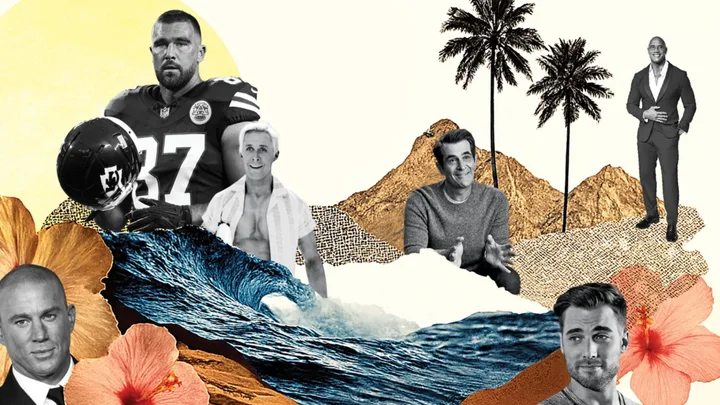
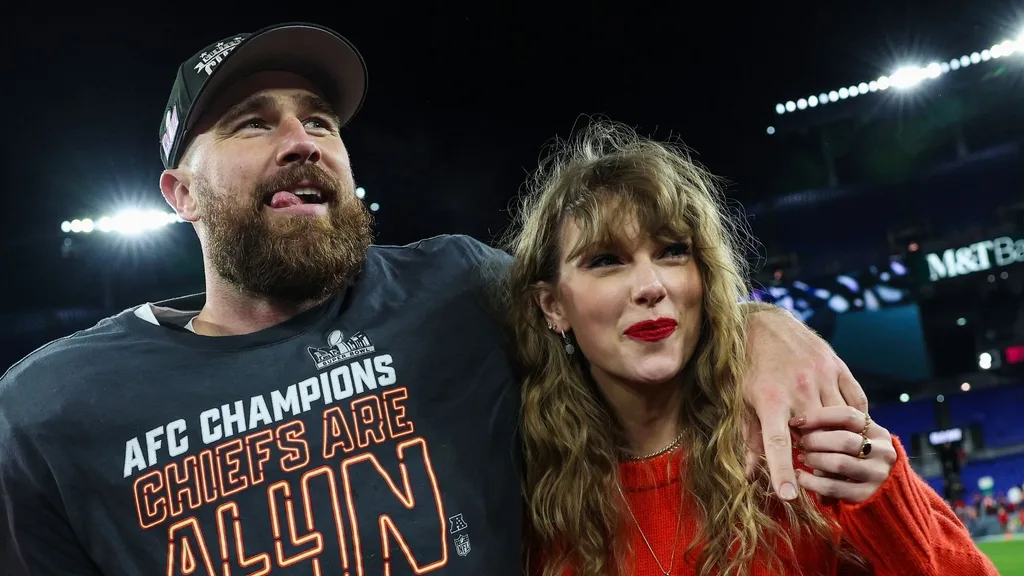
It’s Barbie’s Ken losing his new-found interest in the patriarchy once he discovered it wasn’t about horses. It’s Seinfeld’s David Puddy, who doesn’t need any in-flight entertainment. It’s Ted from Schitt’s Creek; it’s Phil Dunphy from Modern Family. It’s Travis Kelce, Channing Tatum and Jason Momoa. It’s Dwayne “The Rock” Johnson openly crying during the 15-minute standing ovation given to his film, The Smashing Machine, at this year’s Venice Film Festival.
This kind of uncomplicated, pure expression of joy and gratitude is typical of a himbo: he is devoid of pretension or self-consciousness; he’s just a guy who’s happy to be there.
And, given the Oscar buzz surrounding the film, he’s about to be everywhere. “The himbo simply is. He does not spiral out on conceptual double-binds; he is grounded in his body and admired for it, exempting himself from throwing stones in culture wars,” Casey Michael Henry wrote for The New York Times (see, serious word count).
“The internet and its endless internecine debates exist within Plato’s Cave. The himbo, meanwhile, is meandering peacefully outside, soaking up the rays.”
And doesn’t that sound exactly like what we need this summer? No thoughts, just vibes. Research in the past few years has also confirmed what we already know: the longer we spend doomscrolling the latest headlines, the worse off our mental health is.
For instance, a 2022 study by Dr Matthew Price of the University of Vermont found an association between the amount of exposure to heavier news on social media and more depression and PTSD symptoms, essentially making the case for us to all follow our favourite himbos out of the cave.
“Much of the content available online is designed to generate a strong emotional reaction – and that reaction is often negative,” Price says, while talking to me about the benefits of disconnecting.
“Although many folks turn to the internet for a break, much of what they find will only make them more anxious.”
Here I’ll note that you don’t need to be a 6ft 4in man with bulging biceps to take part in Himbo Summer. It’s a way of being, a manifesto for life that suggests we don’t need to be so downtrodden all the time.
To behave like a himbo is simple: whenever you feel yourself overthinking, go and literally touch grass. As Price explains, “Taking a true break by spending time with friends, in nature or just away from a screen will restore you in ways that online news will not.”
This is not to say you can’t be engaged with current affairs – many of our pre-eminent himbos are thoughtful, progressive political agents, such as streamer Hasan Piker – but summer should be the one time of year when you can enjoy yourself without spiralling about the end of the world.
Take it from our American friends, who Lewis noted are regretting not making the most of their summer as the weather cools. “It seems as though they’re experiencing a collective realisation: even the worst summer is better than winter,” she wrote.

Related stories

Native ad body.

Native ad body.




Native ad body.