

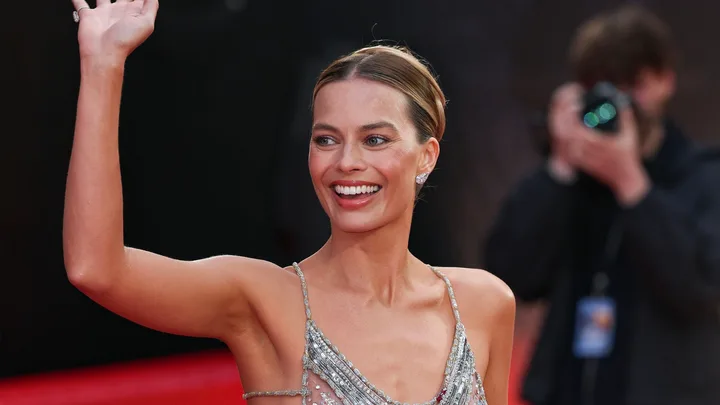
The naked dress has long been shorthand for disruption. Marilyn Monroe’s flesh-toned “Happy Birthday, Mr President” gown in 1962, Kate Moss’s sheer slip in ’93, Rihanna’s Swarovski-drenched CFDA moment in 2014. Each look said something bigger than fabric: about sex, power, autonomy, visibility.
So when Margot Robbie steps out postpartum in sheer Armani Privé and vintage Mugler lingerie-as-daywear, the uproar isn’t really about whether it’s elegant. It’s about whether she’s allowed.
The Cultural Script for Mothers
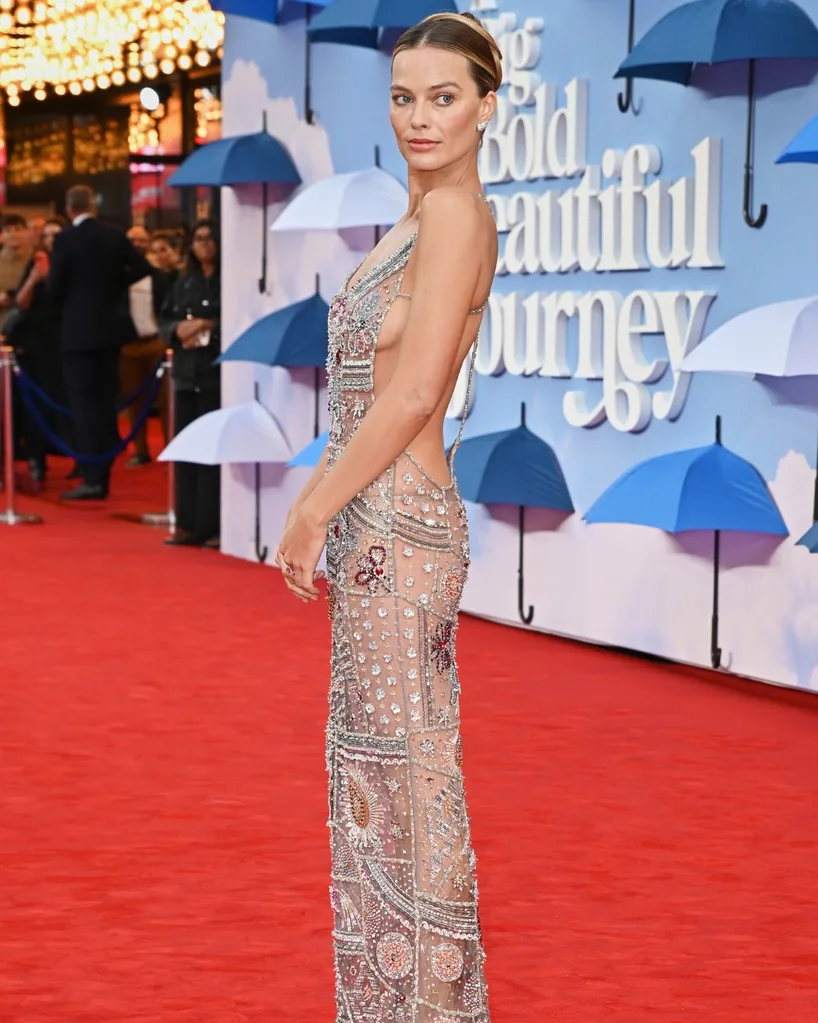
Motherhood still comes with an unspoken style script. You retreat into tracksuits, resurface months later looking “relatable,” then return to work only once you’ve softened the edges of your sexuality. Robbie’s decision to fast-forward to “backless, crystal-covered, practically naked” has short-circuited that script. As one commenter put it, “I feel she really wanted everyone to know she is back to pre-baby Margot.”
But here’s the cultural contradiction: we complain when women “lose themselves” in motherhood, yet bristle when they assert that they haven’t. The anxiety triggered by Robbie’s gowns isn’t about skin – it’s about control.
Naked Dressing, Post-Kardashian
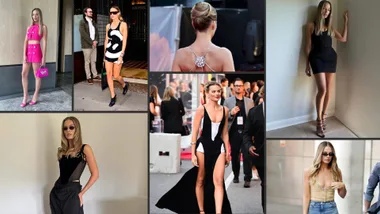
Fashion critics used to frame the sheer dress as rebellion. Today, it’s burdened with Kardashian baggage. “Bianca Censori was a cultural reset,” one commenter wrote, and it’s true: every transparent panel is now read through the prism of Westworld exhibitionism. To wear one is to risk being cast as derivative, desperate, or complicit. For Robbie – a serious actor and producer who just helmed Barbie – that association feels like a cultural downgrade. And yet, she wears it anyway. Which makes the move more interesting, not less.
The Bounce-Back Debate
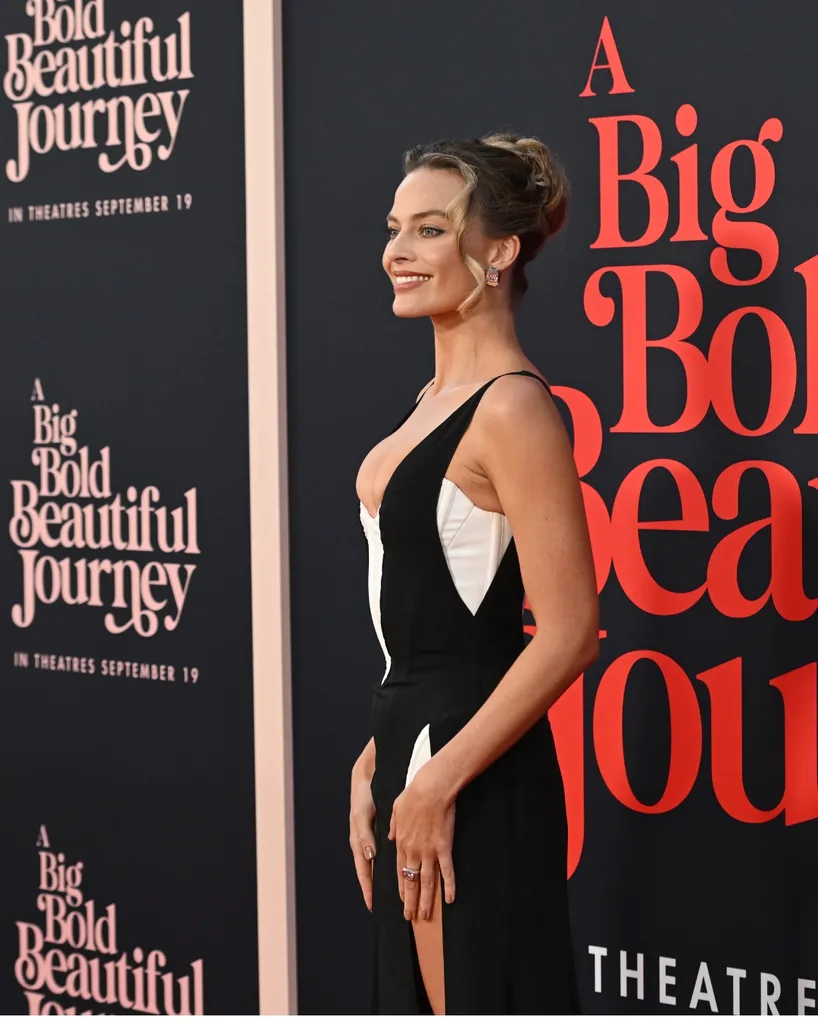
Robbie’s postpartum body is not “normal.” She has trainers, chefs, and couture fittings. But the unease her dresses provoke isn’t just envy; it’s the sense that she’s responding to the suffocating “bounce-back” economy. “This is her PR team showcasing she is back in the sexy and skinny after her pregnancy,” wrote one fan. We don’t want her to be invisible – but we don’t quite trust the spectacle of her being visible either.
It’s the classic double bind. You’re supposed to “get your body back” but not flaunt it. You’re supposed to look like a star but not like you’re trying too hard. You’re supposed to be hot but not hotter than before.
What We’re Really Reacting To
When fans say Robbie’s naked dress “feels like a recurring nightmare,” they’re naming a collective discomfort with mothers who won’t dim their light. It’s the same discomfort that underpinned the backlash to Madonna in the 2000s or Beyoncé’s post-twins comeback. We want maternal figures to be inspirational, but not threatening. Sexy, but not destabilising.
The irony, of course, is that Robbie’s choices echo America Ferrera’s monologue in Barbie: “You’re supposed to stay pretty for men, but not so pretty that you tempt them too much or that you threaten other women because you’re supposed to be part of the sisterhood.”
Maybe that’s why this conversation feels so fraught. Robbie’s postpartum naked dress isn’t just fabric; it’s a mirror. If it offends you, perhaps it’s less about her body and more about the cultural architecture still policing what mothers are “allowed” to be.
So, have we hit peak naked dressing? Possibly. But the bigger story is why we’re so desperate to tell a new mother she can’t wear one.

