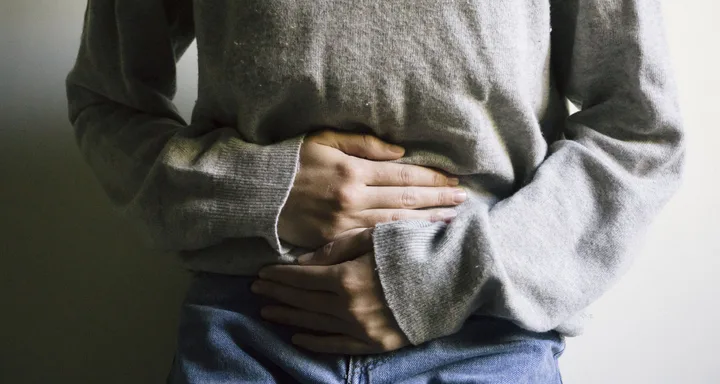
I often say my journey with fertility and loss began a decade ago, but the truth is, the signs were there long before. I was just 15, doubled over in pain from my period, trying to get a medical certificate from my GP to exempt me from an exam. Instead of concern, I was met with mockery. My “tummy troubles” were a joke, a comical reason to skip a cooking exam. Mortified, in a fog of pain and nausea, I left with a prescription for the pill – a Band-Aid solution that I now suspect masked the true issue for years.
That moment marked the first in a long line of gendered dismissals. It was the first domino in a chain reaction of medical misogyny: a system where women’s pain is normalised, their instincts doubted, and their bodies treated as problems to be solved rather than people to be cared for.
Over the years, through sheer desperation, I’ve had to become my own loudest advocate.
The Miscarriage That Was ‘Run-of-the-Mill’
In 2018, my husband and I were ecstatic to be pregnant after years of trying. At our 10-week scan, we heard the words no one ever wants to hear: “There is no heartbeat.” It was a missed miscarriage; our baby had likely passed weeks earlier, and I had no idea.
As we sat in stunned grief, the sonographer told me to clean myself up and stop crying so I wouldn’t upset other people. In my rawest moment, my emotions were treated as an inconvenience. I was not a woman who had just lost her baby; I was a potential disruption to the clinic’s calm.
A system where women’s pain is normalised, their instincts doubted, and their bodies treated as problems to be solved rather than people to be cared for.
Subsequent hospital visits were a blur of cold, hard plastic chairs and a humiliating lack of privacy. I sat in an Early Pregnancy Assessment Clinic, bleeding and in agony, surrounded by expectant mothers. I was turned away multiple times for ‘more urgent’ cases. When I was finally sent to the ED, a nurse loudly asked deeply personal questions from behind a perspex screen. I felt exposed, judged, and utterly unimportant. To them, it was a routine event. To me, it was a devastating loss.
Endometriosis: The Pain You Should ‘Just Get Over’
The pain never left after that miscarriage. My GP initially suspected a UTI and handed me antibiotics, despite my insistence that something else was wrong. I dumped the prescription, certain my instincts were more accurate than their guesswork.
I began researching my symptoms, which mirrored my mother’s long and painful battle. But every time I raised the possibility, I was dismissed. “It’s just part of being a woman.” “Take some Nurofen.” Or, most insultingly: “Just get pregnant, that’ll fix it.”
That suggestion, that having a baby could “cure” me, was not only medically incorrect, it was emotionally devastating. I was desperately trying to conceive, and to be told that pregnancy was both the cause and the cure for my suffering was a cruel irony.
Eventually, after countless appointments, I found a specialist who took me seriously. A laparoscopy confirmed Stage 2 endometriosis. But just three months after surgery, the pain returned. When I raised the possibility of recurrence, I was told: “There’s no way it could be back so soon.”
But I knew my body. I pushed for further testing, and a deep-infiltrating scan confirmed my fears; not only had the disease returned, it was more severe.
IVF: A Hurdle to Bypass
IVF brought a new layer of medical misogyny. This time, I felt more like a protocol, a number on a production line. My fears and feelings were irrelevant.
During implantation, I cried. Not because something went wrong, but because I was both terrified and hopeful. The specialist looked at me with bewilderment. To him, my emotions didn’t fit the script. Everything had “gone to plan,” so why was I crying?
When that round ended in my third miscarriage, my mental health crashed. I requested a telehealth consult with my specialist. After a brief condolence, the conversation immediately shifted to “next steps.” There was no space for grief. I was a failed plan, a hurdle to bypass.
But I wasn’t a failed plan. I was a grieving woman.
We Are Not the Problem
I grieve for the women around me and who came before me because I know my story is not unique. So many women are made to feel their pain is performative, their instincts irrational, and their grief an inconvenience. We are not just our bodies. We are not just a problem to be solved. And our pain is not a joke.
For years, I thought I was just unlucky. But this wasn’t bad luck, this was the result of a system built without us in mind. A system where gender bias runs deep, where emotional expression is pathologised, and where women are too often told to endure, stay quiet, or try again.
What I experienced is medical misogyny — and it’s still happening, every day, in clinics, hospitals, and consulting rooms across the country.
I share my story to challenge that. To remind every woman: your body is not the problem. You are not the problem. And you deserve more than silence. You deserve care that is compassionate, informed, and free from shame.
If this story has brought up difficult feelings for you, support is available. Visit pinkelephants.org.au for free, confidential peer support and resources tailored to early pregnancy loss.
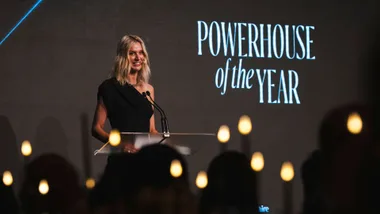
Jen Tupaea is the Chief Operating Officer of Pink Elephants and an advocate turning her experience of early pregnancy loss, endometriosis, and IVF into systemic change for women’s healthcare.

Related stories
Native ad body.
Native ad body.

Native ad body.