Here’s something you never thought you’d hear me say: plastic is an amazing material.
The biggest design flaw with plastic? Nobody stopped to think about its disposal. We were so caught up in all the wonderful things made possible by plastic that we neglected to plan for what happens once we finish using it. This means that every single piece of plastic that has ever been produced still exists somewhere on our planet today.
It can be moulded into different shapes, made in different colours and thicknesses, and it’s easy to clean, making it ideal for use in settings where hygiene is paramount, like hospitals and restaurants.
It’s not that I don’t believe plastic has its place. In fact, in some contexts, like a medical setting, plastic is the only material that can be used. But I certainly don’t think we need to consume it at the rate that we do.
So, who are the main culprits when it comes to using plastic? It’s not like any one industry carries the majority of the responsibility for plastic pollution – unlike, say, the aviation industry does for emissions – because plastic is used everywhere for just about everything.
However, there is one kind of plastic that nabs top spot for the spectacular degree of harm it has caused to the environment: single-use plastics. Think single-use straws, food packaging and shopping bags.
Plastic is so stealthy, you might not even know it is lurking in some of your most everyday items, like: tea bags, cans lined with plastic, napkins, sponges, chewing gum, wet wipes or single-use makeup wipes, baking paper, sheet masks, laundry detergent and receipts.
What Are Microplastics?
Here’s the macro problem with microplastics: they never break down. Plastic might degrade and get smaller, but it never completely goes away.
The result? Microplastics. And they’re everywhere, causing harm to the environment and our health. Plastics take between three and four hundred years to disintegrate, generally speaking.
During this time, they disintegrate into smaller and smaller pieces. A good example is plastic clothes pegs. Over time, they dry out in the sun, crack and break, eventually breaking down into small fragments that crumble in your fingertips.
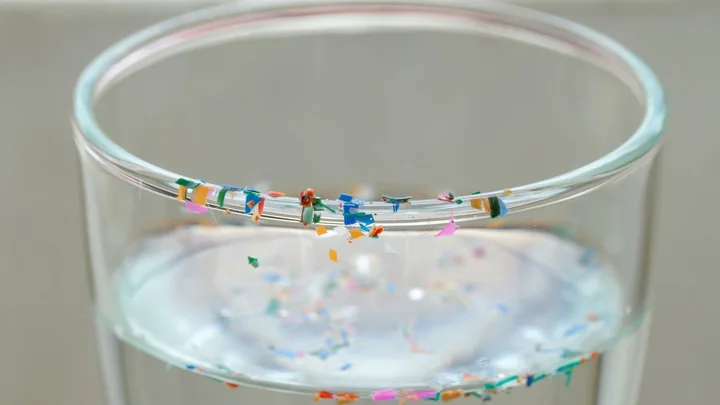
These tiny brittle fragments continue to break down into smaller and smaller pieces until they no longer exist (to the naked eye). These are microplastics. Microplastics are classified as pieces of plastic that are smaller than 5 millimetres (⅛ inch) in size, or the equivalent of a sesame seed.

A study by Australia’s Newcastle University found that the average Australian consumes 5 grams (⅛ ounce) of microplastics each and every week, which is the equivalent of eating a credit card’s worth of plastic as a snack. Every week.
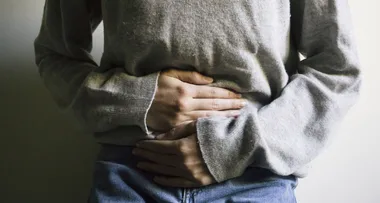
Microplastics have been found in human faeces, hearts, kidneys, lungs, spleens and even in foetuses. The health implications of consuming microplastics aren’t yet fully known, but you can imagine that it is not as nutritious as having a garden salad for lunch.
A study completed by the Environment Agency in Austria found up to twenty pieces of microplastics per 10 g (¼ oz) of human faeces. But how are we ingesting these microscopic plastics, and what are the most common plastic-containing culprits?
One study by the Organisation for Economic Co-operation and Development (OECD) revealed that we consume some of these plastics through the air we breathe, but that most come from tiny airborne fibres from clothing – particulate and other plastic pollution that sits in the air. Scientists believe that we’re actually consuming microplastics in the food we eat, from plastic water bottles and even through the use of old plastic food containers.
Sadly, we’re at the point where consuming microplastics is unavoidable, although it is possible to reduce your consumption. Researchers are working to determine exactly how these microplastics are consumed, the impact they’re having on human health and exactly how we can reduce our exposure to them.
Several global studies have also found that many of the foods we eat contain microplastics including mussels and crustaceans (that filter the microplastics in the sea), rock and table salt (93 per cent of salt brands contain microplastics, which are believed to be from ocean plastic pollution) and honey (ingested by honey bees through the air, soil, water and plants, and passed on to us through their honey).
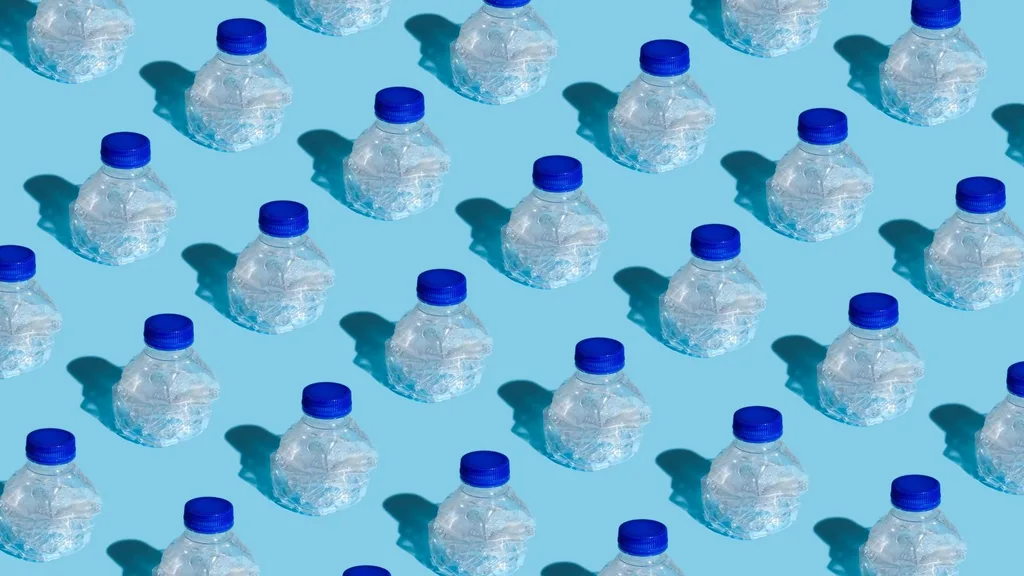
How Can You Cut Down Your Microplastic Consumption?
1. Drink tap water over bottled water, which contains double the amount of microplastics.
2. Don’t reheat food in plastic containers in the microwave. One study showed that heating food in a plastic container for three minutes leached 4.22 million microplastics (and some chemicals) into the food. Instead, use glass containers.
3. Avoid farmed seafood.
4. Brew loose-leaf tea or use tea bags without microplastics.
5. Avoid food packaged in plastics.
Are You Recycling Correctly?
Do you tolerate plastic because ‘at least it can be recycled’? I’m sorry to have to burst your bubble, but it’s a little-known fact that plastic can only be recycled three or four times before it reaches the end of its life.
So, rather than thinking of it as recycling, I prefer to explain it as ‘down-cycling’, because every time plastic is ‘recycled’ it decreases in quality. With this decrease in quality also comes a decrease in market value, meaning that every time an item is recycled it becomes a less and less attractive resource for recyclers.
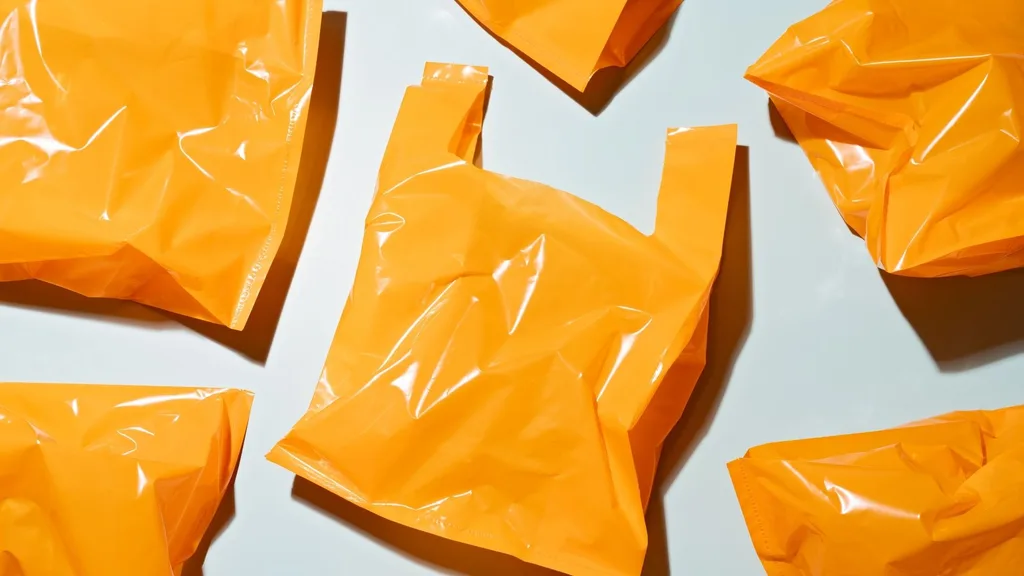
Squishy and soft plastics go straight to the bottom of any recycler’s ‘Most Wanted’ list. I’m talking items like potato chip (crisp) packets, plastic wrap, lettuce bags and plastic e-commerce mailers – basically anything that you can scrunch up into a ball and it will maintain its shape. And they are everywheeeere.
Not only are they flimsy and annoying (how many times have you cut your finger on a plastic wrap box’s serrated edge?!), but soft plastics are particularly difficult to recycle. Soft plastics are a lowquality product to begin with. They are often printed with text and pictures, which causes them to turn black or brown when melted down.
Even recycling plants struggle to deal with them, and there aren’t many people who want the recycled material. In fact, the best solution we’ve come up with is to turn them back into oil and make plastic fences or carparks, which isn’t that valuable. For these, since they are so prevalent, I would challenge you to focus more on reduction in consumption rather than total elimination.
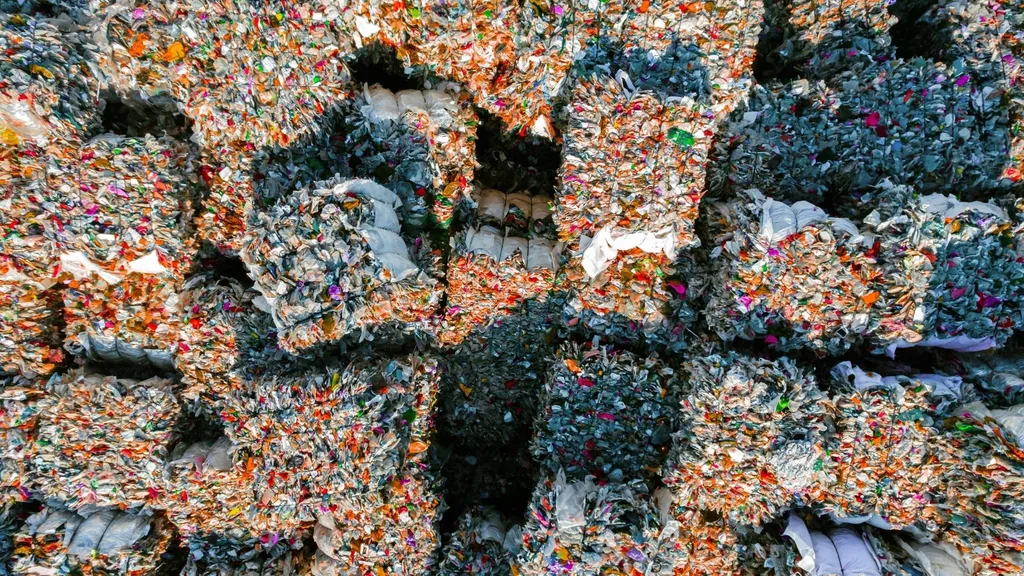
What Does A Circular Economy Look Like?
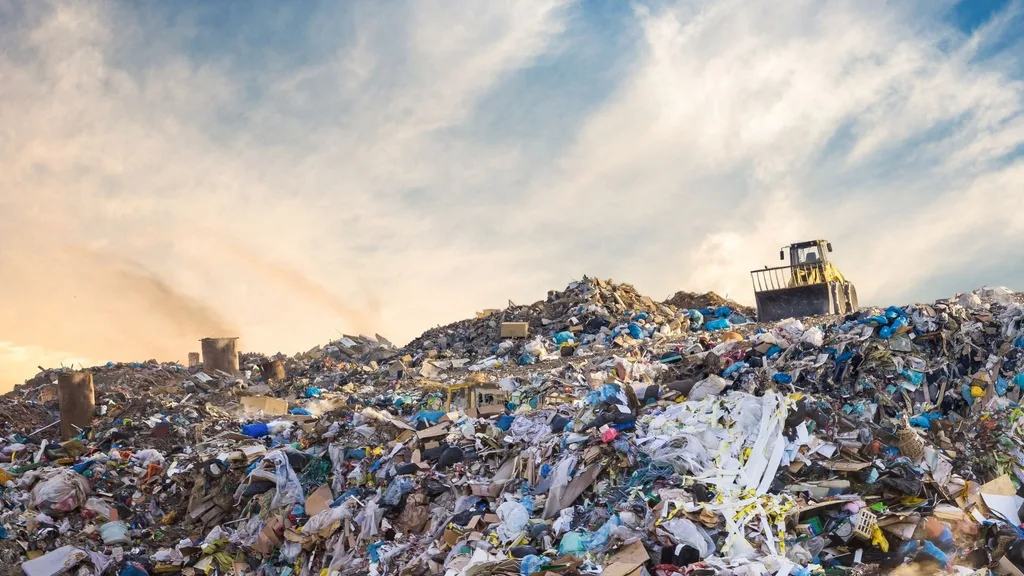
We need to start thinking about our rubbish not as trash but as a resource. Basically, rubbish needs a PR lift! If we started seeing rubbish as something that has value, it would transform the way we deal with it. Here’s how that could work …
In comparison to plastic, aluminium and glass can be recycled infinitely and still retain their high quality. This makes them a much better option and worth the slightly higher price tag so we can keep them in circulation over the finite use of our old friendturned-enemy, plastic.
Scenario one is when we have a material, let’s say soft plastics, that could be processed and recycled, but the processing is void unless there is a buyer for the end material. With only two of three parties fulfilled, the system doesn’t work, and the recycler ultimately ends up hoarding materials waiting for a buyer, or just sends everything to landfill.
Scenario two, on the other hand, is when we have a material, let’s say green glass bottles, that are ready to be recycled and a buyer who wants recycled green glass bottles but there’s no one in the middle to collect it, transport it, break it down and turn it into green bottles. The buyer is then forced to buy green bottles from overseas or buy virgin material.
Scenario three is the one we’re aiming for: a material that has a way of being processed and a buyer at the other end that wants that resource. A good example of this is paper, a paper mill and recycled cardboard.
As much as I love to recycle and find more sustainable solutions to waste disposal, by far the better approach is to consume fewer of these items in the first place. I’m talking about a whole mindset shift away from a traditional way of thinking about recycling to a more contemporary one, where the emphasis is on how we reduce and reuse instead of just recycle. This actually keeps products in use, within a circular economy where there is no end point, and not just for longer – but for good.
Our transition to a circular economy is vital. It will not only keep products out of landfill, but will save us money if we are prepared to switch our thinking to return, reduce, repair and reuse instead of, simply, recycle. This means rewiring our attitude to waste, where we no longer see it as ‘rubbish’, but as a valuable resource.
How Can You Reduce Your Consumption?
A couple of years ago, when I first started on my journey to live more sustainably, I experimented with going plastic free for one week. I wanted to see if I could measure up to the people on social media proudly showing off their single glass jar containing their entire year’s worth of plastic waste (a seemingly impossible task!).
I felt pretty confident going in that it would take me at least a month, not a week, to fill the jar. Well, surprise, surprise. Even after I’d made a conscious effort to reduce my plastic use, after just seven days my jar contained a plastic straw (because I forgot to specify no straw at the cafe), a receipt that printed before I had a chance to say no, a tea bag and paper towel.
Truth? I don’t think it’s realistic to go completely plastic free because, truthfully, plastics have made their way into every part of our lives. Instead, I think we need to change our thinking (and put our energy) into reducing our plastic consumption, which is a much more feasible task, and one that will still yield huge environmental and financial savings.
Saying that, the glass-jar exercise is a really helpful one to reveal exactly how much plastic you consume over a set period of time, and reveal exactly what those plastics are. Give it a try – the results might shock you! So, where can we make the easiest cuts to our plastic use?
You’re not alone if you feel overwhelmed at the task of cutting down your plastic use. I get it; plastic is everywhere, but this is where small steps and changes add up to big wins in the long run.
You will inevitably fail and get caught out by plastics – we all do – but the most important thing is to focus on making 1 per cent improvements every day. In some cases, products wrapped in plastic are cheaper to buy, but when you look a little more closely at not only the economic cost but the environmental one, the numbers don’t usually add up.
Take, for example, the single-use coffee cup, which cannot be recycled in your curbside bin because of the heat-resistant plastic lining. They also cost cafe owners $0.30 to $0.70 per cup.
Whereas a reusable coffee cup doesn’t cost cafe owners anything, and they can be reused over and over before being recycled. It’s a win for everybody involved. Now, I am a big fan of coffee, so I am not going to tell you to stop drinking it each day (that would be unrealistic), but getting in the habit of bringing your own reusable cup to the coffee shop is one simple way to make take meaningful action every day.
A reusable coffee cup might involve an up-front spend of $35, but once you factor in the discount most cafes offer when you BYO (up to $0.50 per coffee), it would only take about 70 days to make back the cost of your cup before you start saving money on each purchase.
Reusable water bottles are similar. They cost about $50 up front – about the same as fourteen single-use plastic bottles. After that, it’s all savings, baby.
Systemic change is coming at a glacial pace, but you have the power to take control of your consumption today. I am a big believer that even the smallest of changes do start to add up. Remember that you might be one person but you’re also a role model to so many others.
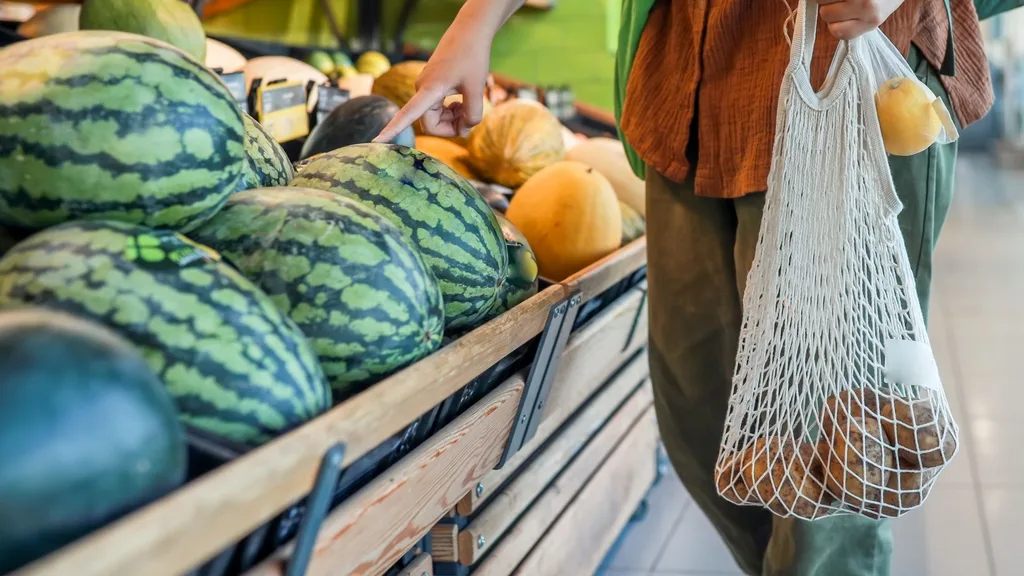
When you remember to take your reusable coffee cup to the shop, you remind everyone in the line that they can bring theirs next time. When you purchase loose carrots over bagged ones, you are showing the supermarket chains that you don’t want plastic anymore. The more people who make these changes the more companies – and society at large – will have to adapt.
What Next?
It’s going to take some serious unlearning to move away from a reliance on plastic towards a more circular economy, where items – especially plastics – can be kept in circulation and out of landfill.
You need to shift your attention away from what to do with plastic items at the end of their lifespan and towards your consumption of them in the first place. As overwhelming as this seems, auditing your own plastic consumption is the first step, followed by some sustainable switches that will positively impact both the environment and your wallet.
One of the easiest places to do this is in your kitchen, where many of the main plastic culprits live. It’s one of the most obvious rooms in your house to audit, and it’s where you can really start to alleviate the plastic pressure.
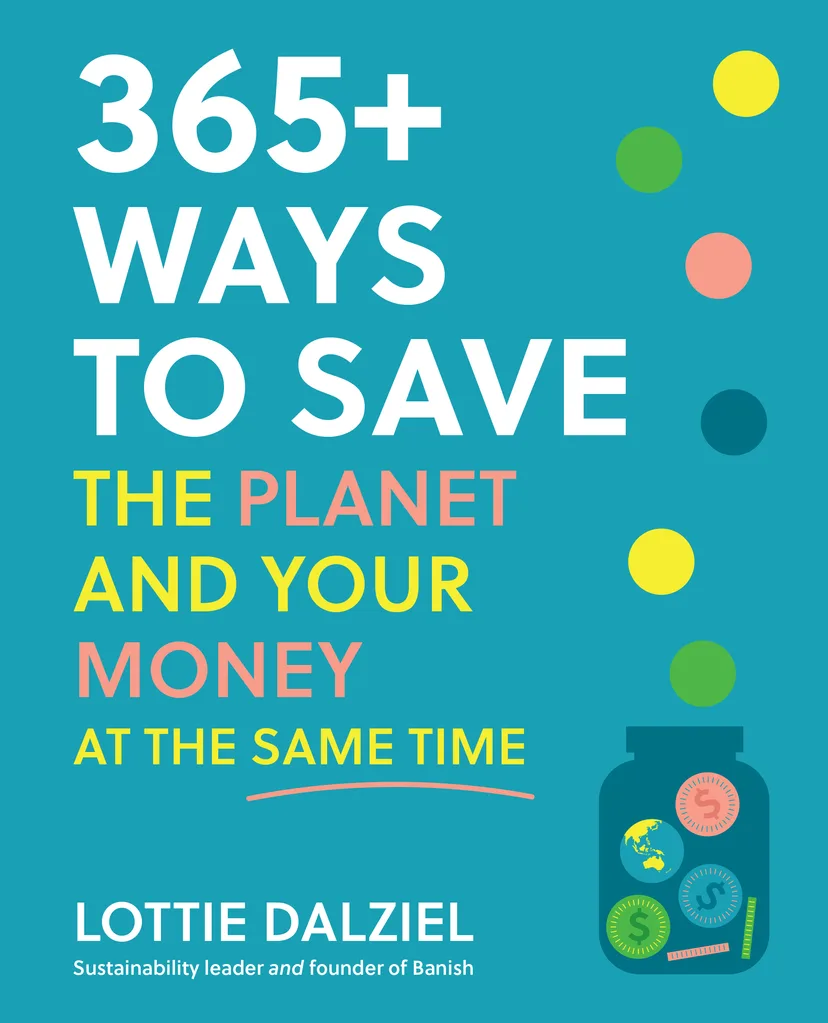
This is an edited extract from 365+ Ways to Save the Planet and Your Money at the Same Time by Lottie Dalziel, Murdoch Books, $34.99. Purchase a copy here.

Related stories

Native ad body.

Native ad body.



Native ad body.