

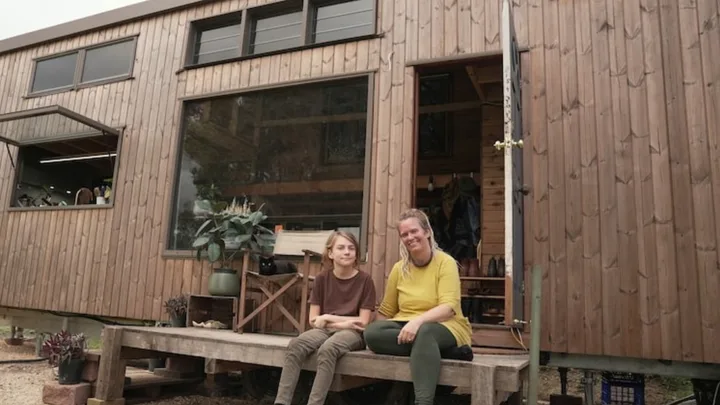
When Anna learned she and her son had been accepted into the Eden Tiny House Project, she stepped outside their camper trailer and danced. “We were dancing around in the little yard,” she remembers, laughing. “It felt like hope.”
That hope followed a year of relentless upheaval. In 2022, record floods devastated northern New South Wales, leaving Anna homeless. As housing options vanished, her camper trailer became the only place to go. “I remember so much rain and so many tears,” she says. “This continual feeling of: holy moly, where are we going to go?” Over the next twelve months, she and her son moved fifteen times — from tents to temporary rentals, friends’ couches to camper trailers — a carousel of impermanence.
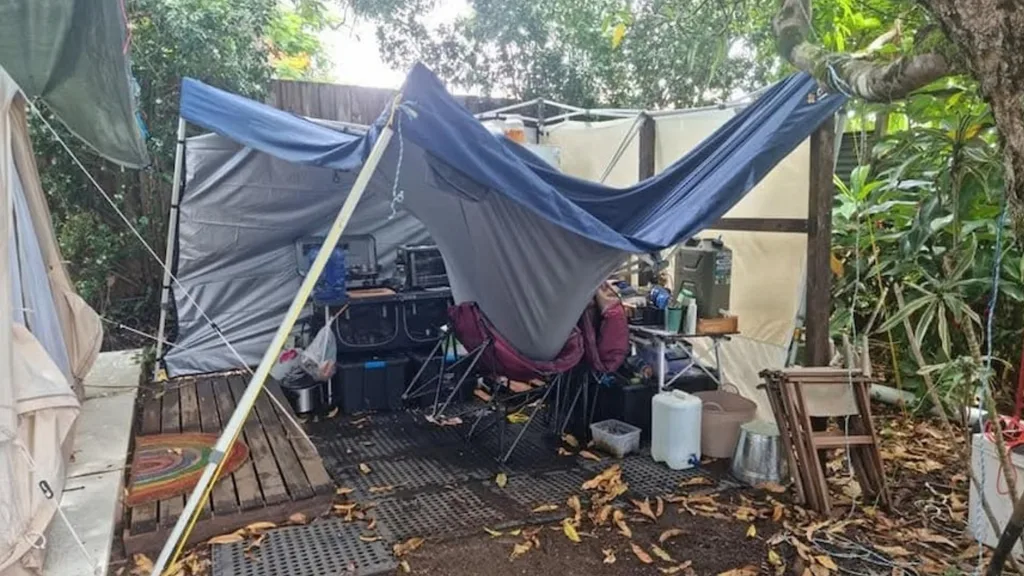
Each stop brought its own sting. “It wasn’t one big dramatic moment, it was hundreds of tiny ones,” she explains. “Like being asked for an address and not having one. The look on people’s faces when you say, ‘It’s a tent.’ They don’t know your story, but they judge anyway.”
As a single mother, the scrutiny cut deeper. “Landlords see us as risky, but the truth is, we’re the most reliable,” she says. “We know how fragile things are, so we never miss a payment. There is no margin for error.”
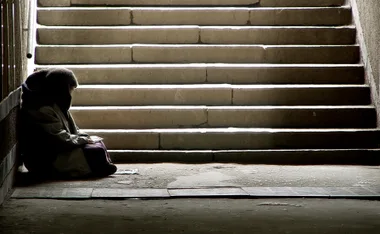
Some nights brought fear. Strangers loitered near the tent; one stepped inside while they slept. “You can never fully relax,” she says. “Your body is always on high alert.” By the end of the year, the strain had left her frayed. “My nervous system was wrecked. You cannot ground yourself when you are constantly moving.” To keep going, she leaned on meditation and a simple mantra: just one more step.
Her son, however, saw their nomadic life differently. “To him, it was an adventure,” Anna smiles. “He trusted me completely. Looking at his face at night, knowing I was his whole world, that’s where I found my strength. He never carried the weight of it. That was mine.”
When the Eden Tiny House Project accepted her into its program, everything shifted. Built on the belief that housing is more than four walls — that it is dignity, autonomy, and community — the project gave 15 vulnerable women the chance to design and build their own sustainable homes.
Watching her house take shape felt surreal. The trailer arrived, the frame went up, and each milestone became a promise that this time, it was permanent. “I thought, wow, this is mine. This is actually happening.”
Beyond bricks and timber, the project offered solidarity. “We had a WhatsApp group where we shared resources, cheered each other on, confessed our mistakes. Just knowing someone else understood meant everything.”
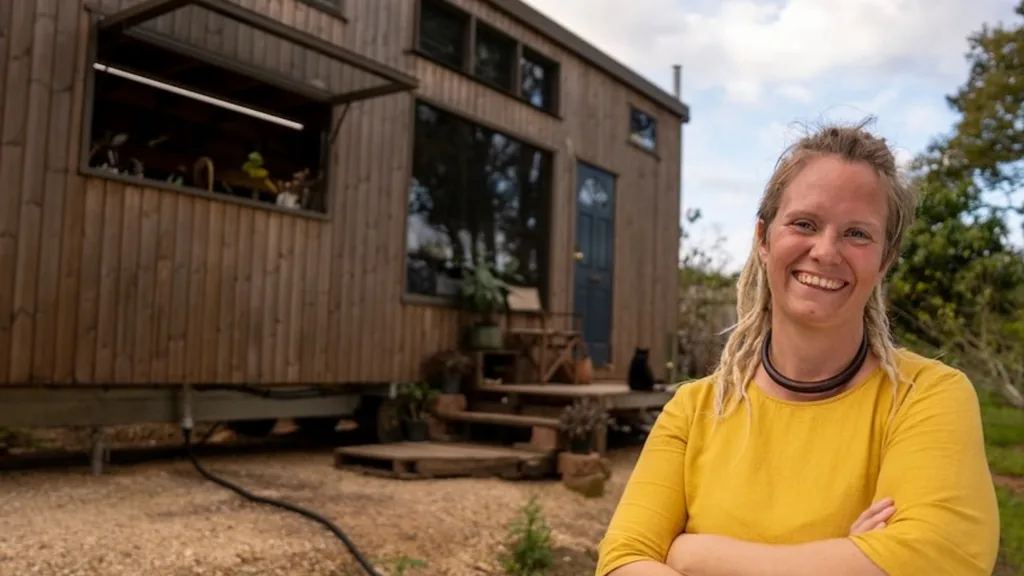
Today, Anna and her son live surrounded by rolling paddocks and lush greenery. “When I walk from the car to the house, my whole body exhales,” she says. “It is quiet. It is safe. My nervous system finally rests. Even my son says, ‘It feels so good to come home.’ That is all I ever wanted, for him to feel safe.”
The stability has rewritten her son’s future. “He will never have to carry the same fear I did,” she says. “He will grow up knowing he always has somewhere to belong. That is the greatest gift I could give him.”
Anna is just one of the women whose lives have been rewritten by the Eden Tiny House Project, co-founded by Canberra mental health liaison Susan Boden. While working at a medical clinic, Susan often witnessed the hidden toll of homelessness, including patients living in vans without access to basic privacy.
Determined to act, she used a family inheritance to launch the project with the help of a Canberra GP. The aim was to offer a hand up rather than a handout, providing $55,000 and building training to women who contributed their own funds and secured land for their homes.
Susan says the results have exceeded every expectation. “They have something real in the world that they own, that’s theirs,” she tells Australian Story. “I think there’s lots of ways this can become a model.” The Eden Tiny House Project may be small in scale, but for women like Anna, it has meant everything.

