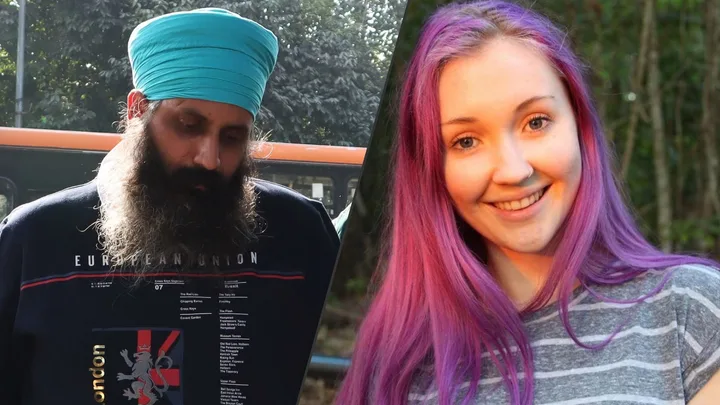
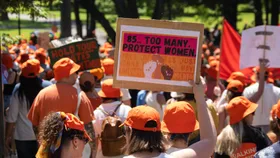
A former Far North Queensland nurse has been found guilty of the 2018 murder of Toyah Cordingley, a case that now joins the long and devastating list of Australian women killed through gendered violence.
He has been sentenced to a non-parole period of 25 years.

After seven hours of deliberations, a Supreme Court jury unanimously found Rajwinder Singh, 41, stabbed Ms Cordingley and cut her throat on Wangetti Beach before fleeing to India, where he lived in hiding for more than four years.
In leaving the country, he abandoned his wife, three children and parents who were financially dependent on him and would later lose their home, according to ABC News.
During the trial, Singh was described as a capable and respected nurse by his colleagues, a portrayal that stood in stark contrast to the violence of the crime.
What Happened To Toyah Cordingley?
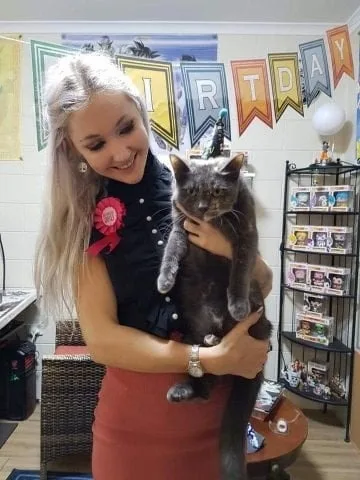
Ms Cordingley, a 24-year-old animal shelter volunteer, had gone to the beach on the afternoon of October 21, 2018, to walk her dog, Indie. Her father, Troy Cordingley, found her body the following morning after hours of searching. Indie was found alive nearby, tightly tied to a tree.
Police have said they believe the attack may have been sexually motivated.
The verdict was delivered at the end of a four-week retrial in Cairns, eight months after Singh’s first trial ended in a hung jury. As the decision was read aloud, emotion surged through the public gallery. Ms Cordingley’s father was heard calling out, “rot in hell, you bastard,” while Singh sat motionless in the dock.
Outside court, Ms Cordingley’s mother, Vanessa Gardiner, described the outcome as long-awaited justice, but not closure.
“Today is a big piece of this journey that needed an ending and most of all, justice for our Toyah,” she said. “This event turned our world upside down for years and we all know a special part of our fun, tight-knit family is now gone for ever, due to the actions of this individual.”
She remembered her daughter as a “loveable, innocent, full-of-life young woman” and said the family would never forgive Singh. She also acknowledged the wider circle of harm, including Ms Cordingley’s former partner Marco Heidenreich and Singh’s own wife and children.
“There are multiple victims in this,” she said.
Queensland Police Inspector Sonia Smith said the murder had left a “deep scar” on the Far North Queensland community and described the investigation as one of the largest and most complex in the region’s history.
“[Detectives] have made significant sacrifices to their personal lives to ensure no stone was left unturned in this investigation,” she said.
The case rested on circumstantial evidence tracing Singh’s movements through Ms Cordingley’s phone. Police determined that the movements of his blue Alfa Romeo matched the phone’s path after it left the beach, turning her device into a silent witness.
The morning after her body was found, Singh booked a one-way flight to New Delhi, telling his wife he would be gone only a few days. It would take more than four years, and a $1 million reward, before he was found.
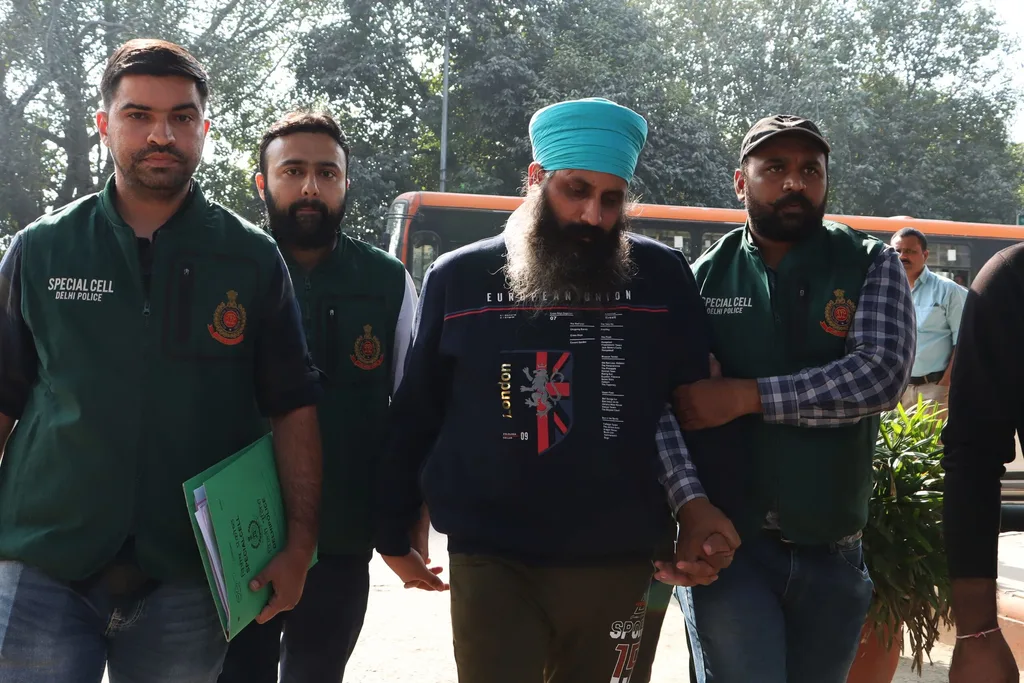
Singh was arrested at a Sikh gurdwara in New Delhi in November 2022. He did not challenge extradition and was returned to Australia in early 2023.
During the trial, the Crown argued that only the killer could have possessed Ms Cordingley’s phone and that Singh’s sudden flight overseas was not coincidence but consciousness of guilt.
Justice Crowley told the court the most likely motive for the “shocking and sickening act of violence” was that Ms Cordingley had confronted Singh about behaviour of a “sexual and perverted” nature.
His decision to take her phone after killing her, the judge said, suggested she may have recorded Singh or was preparing to report him to authorities.
In that possibility lies one of the most confronting truths of this case. It reaches far beyond a single victim and into a national reckoning with how often women’s safety depends on navigating male emotions and actions as a matter of survival.